Pet Insurance hero background

Pet Insurance

Pet Insurance

Owning a pet brings immense joy and companionship, but it also comes with responsibilities. Just like humans, pets can face unexpected health issues and accidents that require medical attention. This is where pet insurance becomes a valuable tool for every pet owner. In this article, we will delve into the world of pet insurance, exploring its importance, coverage options, factors to consider, and the associated costs. Whether you have a playful pup or a curious cat, understanding pet insurance can provide peace of mind and ensure the best possible care for your beloved companion. Almost an estimated 68% of Indian households have a pet and as a pet owner, you want to ensure the best care for your pet. But, just like humans or your loved ones, pets can also fall sick or get injured, and the cost of treatment can be quite high. This is where pet insurance comes in; pet insurance gives all the care which your furry friend needs for his/her health and wellness.

Why Pet Insurance Matters?

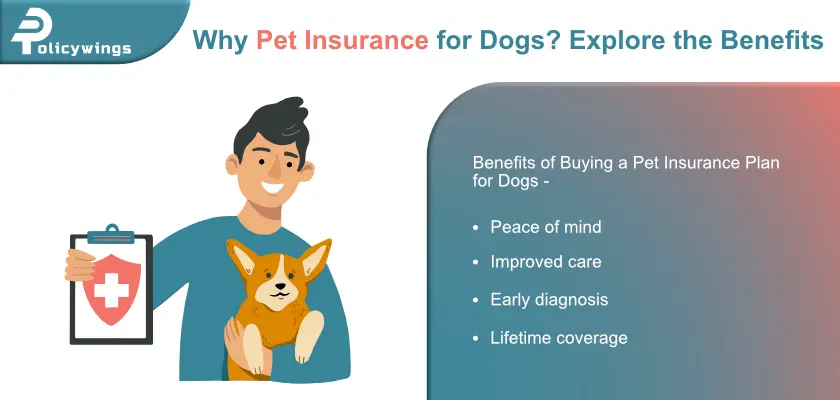
Owning a pet is a joy, but medical bills shouldn't be a burden. Pet insurance provides a vital financial shield:

Unexpected Medical Costs

Covers accidents or sudden illnesses like infections or allergies. Ensures your pet receives necessary care without worrying about high vet bills.

Comprehensive Guard

Includes surgeries, diagnostic tests, and expensive cancer treatments. Covers hereditary and congenital conditions often found in specific breeds.

Budget Management

Spread out the cost of care with manageable monthly or annual premiums. Avoid sudden financial strain during medical emergencies or late-night clinic visits.

Types of Pet Insurance Policies

Pet insurance policies come in different types, each offering varying levels of coverage. Understanding these types will help you make an informed decision:

Accident-Only Coverage

Covers only injuries resulting from accidents. Generally more affordable than other policy types. Does not provide coverage for illnesses.

Accident and Illness Coverage

Covers both accidents and illnesses. Includes surgeries, diagnostic tests, medications, and treatments. Offers a broader scope of coverage for various health conditions.

Comprehensive Coverage

The most inclusive type of pet insurance policy. Covers accidents, illnesses, hereditary conditions, and cancer treatments. May include routine care like vaccinations and preventive medications.

Choosing the Right Plan

When selecting a policy for your furry friend, consider these crucial factors provided by Policywings experts:

Limits & Exclusions

Check for annual or lifetime payout limits that might affect long-term care. Review breed-specific exclusions for inherited conditions.

Financial Terms

Understand the deductible amount you need to pay before insurance kicks in. Verify reimbursement levels (usually 70% to 90% of eligible expenses).

Plan Costs

Premiums vary based on the pet's age, breed, and your location. Younger pets are cheaper to insure and avoid pre-existing condition issues.

Pet Insurance Tip from Policywings

Insure your pet as early as possible, ideally between 8 weeks and 2 years of age. Like human health insurance, pet insurance excludes pre-existing conditions. Veterinary costs in Indian metros can run Rs. 5,000-50,000 for surgeries and hospitalisation. Pet insurance premiums are surprisingly affordable at Rs. 200-500 per month for basic coverage, giving you peace of mind for your furry family member.

Pet insurance in India generally covers veterinary treatment for accidents and illnesses, surgery costs, hospitalisation, and sometimes third-party liability if your pet injures someone or damages property.

More on Pet Insurance

Hand-picked reads on pet insurance to help you decide with confidence.

All about Pet Insurance Growth in 2025Pet Insurance

All about Pet Insurance Growth in 2025

Introduction The insurance industry in India has conventionally orbited around human life, health, motor and property. But with evolving lifestyles and growing awareness there are new types that are moderately enhancing these factors. Under these changing insurance factors, pet insurance in India has initiated to apprehend the attention of both consumers and insurers. Till 2025 the sector is observing increasing growth which is managed by an increasing pet parenting population with higher expendable incomes and a cultural change regarding treating pets as essential members of the family. This development signifies the importance of a new niche market in the insurance market. Compared to health or motor insurance, pet insurance is transforming into a tool for financial security for unforeseen medical expenses which reflects wider global trends which are now exploring their place in the Indian community. Pet Parenting in India The magnification of pet insurance is related to the increasing number of households adopting pets. Over these ten years, urban India has noticed a rise in pet ownership especially in millennials and elementary families who regard pets as companions for their emotional comfort. Dogs and cats are the most common adopted household pets but fascination in Insuring exotic animals, birds and even high value breeds has also evolved. This change is not particular to wealthy households only because middle class families are also increasing expendable income with good approachable veterinary care and they are also investing in pet care. And due to this the demand for customised health protection has increased moderately. Understanding Pet Insurance Pet insurance works identically to health insurance for humans. Policies cover veterinary expenses related to illnesses, accidents, surgeries and sometimes preventive care like vaccinations. Certain products even have liability coverage for incidents when pets may cause injury, harm or damage. Insurers are still experimenting with policy customisation. Some offer limited coverage like accident only protection and others expand to comprehensive plans covering hospitalization, third party liability and loss or theft of pets as well. The idea of coverage is eventually extending as insurers collect more data and answer to customer demand. Rise of Pet Insurance The acknowledgement of pet insurance as one of India’s evolving insurance markets roots from wider socio economic and traditional changes. The rising humanization of pets where adoptive parents/owners see them as their children or companions and not just animals has made a requirement for professional healthcare, specialized food and preventive care. This corresponds to the universal trend where pet related sectors, from grooming to luxury accommodation have evolved excessively. Veterinary costs are increasing particularly in big cities where advanced diagnostic and surgical facilities are now accessible. Only one surgery or extended treatment can be very expensive which can create financial load for pet adoptive parents/owners. Pet insurance manages this gap by propagating risk and giving financial relief when required. Furthermore, insurers see pet insurance as a doorway to knock into new customer diversities. Numerous first time insurance buyers may initiate with pet coverage and eventually move to more conventional products like life or health insurance. For the insurance market this multi selling prospects makes pet insurance a desirable approach. Factors of Growth 1. Awareness campaigns and digital platforms are enlightening consumers about the accessibility and advantages of coverage. Pet owners are rapidly looking for financial tools to manage unpredicted medical costs. The involvement of technology cannot be ignored. Insurtech startups and digital first time insurers are making it simpler to buy, control, customise, manage and claim pet insurance policies. Apps and online platforms permit pet parents to upload documents as well as track vaccination schedules and process claims seamlessly. The extension of veterinary infrastructure has made modern treatment more approachable. From specialized clinics and pet hospitals with advanced equipment, the structure is more capable of managing demand for financial support by insurance. Evolving regulatory receptivity is motivating insurers to innovate. The Insurance Regulatory and Development Authority of India (IRDAI) has backed up new product enlargement in evolving insurance markets which creates space for pet insurance to enhance further. Complications in Pet Insurance Market 1. The first complexity is low awareness. In contrast to motor or health insurance the pet insurance is still in its initial stage and many pet adoptive parents/owners are unaware of its existence. Absence of systemised products. As insurers are still analysing the coverage terms and conditions which are distinctly broad making it complex for consumers to compare and select policies. Some do not include older pets, preexisting conditions or specific breeds which can lower the accessibility. Affordability is also a complication to be concerned about. As premiums are somewhat modest in contrast to human insurance, many middle class families still are reluctant to pay on extra financial products for pets. Convincing consumers for the long term value of coverage still is a hard task for insurers. The lack of strong claims data creates risks for insurers. With insufficient factual history companies battle with price policies. This creates a cautious approach lowering the extension of other comprehensive plans. Conclusion Pet insurance is not a distant concept anymore but a quickly evolving reality in 2025. It shows how Indian consumers are reanalysing priorities in health and financial security which extends care and wellbeing of their pets. Complications like awareness gaps, affordability and product standardization are still there, the perspective is clear. Pet insurance plays a critical role in the evolving insurance sector which gives both protection for pet owners and growth scenarios for insurers.

Written bySagar NarangPublished onSeptember 24, 2025

You may also like: Health Insurance

Related guides from our health insurance desk.

Best Family Health Insurance Plans in India for Pre-Existing DiseasesHealth Insurance

Best Family Health Insurance Plans in India for Pre-Existing Diseases

Introduction We all have somebody in our family living with conditions like diabetes, high blood pressure, thyroid or others. These are called pre-existing diseases (PEDs). We know how medical costs can be so burdensome sometimes. If there’s no proper coverage in place, our savings suffer the most and that’s why we need to have the best family health insurance plans in India. Besides protecting you during emergencies, these policies also help you with treatments for pre-existing diseases so that there’s no delay in medical care or financial stress. This blog has answers to all your questions. You will know how to find the best health insurance plans if you have pre-existing conditions and what you must choose between family health insurance and individual health insurance. What Are Pre-Existing Diseases? Before we start discussing the policy-related details, let’s first understand the concept of pre-existing diseases. So, if you have any illness, condition or injury before buying a policy, it’s pre-existing. The most common examples would be: Diabetes Hypertension (high blood pressure) Thyroid disorders Asthma Heart-related illness Kidney-related issues The insurance companies will always ask about these conditions when you are applying for an insurance policy. Some insurers may even ask for a proper health check-up so they can be sure. It’s suggested to never hide such details. If you try to hide, your claims could get rejected. Why Do You Need Health Insurance for Pre-Existing Diseases? The best health insurance plans will always ensure that your family’s health and finances are never at stake, even if anyone has PEDs. Rising Medical Expenses– All kinds of healthcare costs like treatments, routine check-ups and medicines add up to a considerable cost. And when we add in hospitalization, it goes even higher. Family Risk Factor– If one family member has an existing illness, chances are that others might have something as well. This makes family health insurance so much practical than buying only for one person. Peace of Mind– Of course, your mind will be at ease when you know your policy covers existing conditions and the patient will get timely treatment and there’s no money tension. How Does Coverage for Pre-Existing Diseases Work? Those who have some pre-existing diseases can finally take a sigh of relief because most health insurance plans do offer coverage for them. However, there are certain rules: Waiting Period– You usually need to wait around 2–4 years before claiming PED-related claims. Some plans do have shorter waiting periods that are much better for families. Higher Premiums– Insurance policies that cover PEDs are often slightly more expensive. But in the long run, they also save huge expenses. Medical Tests– Those people who are already dealing with critical PEDs may need a medical exam before their cover gets approved. Always look for these points and even compare them in different quotes before buying the best family health insurance plans in India. What’s for you: Family Health Insurance or Individual Health Insurance Whether you should buy one good family health insurance plan for everyone or separate individual health insurance policies for all depends on various factors. Family Health Insurance: The whole family shares one single sum insured. Costs much less than buying multiple separate policies. Ideal if not all members are under high health risks. Individual Health Insurance: Each person has individual cover. While the premiums are higher overall, there’s no shared risk. Certainly best if multiple members already have pre-existing diseases. One person’s illness won’t affect the other’s coverage. The smart thing is to have a mix of both. What can be done is that the parents with health conditions can take individual health insurance, separate for them both and the younger & healthier members can share a family health insurance plan. Choosing the Best Family Health Insurance Plans in India for PEDs The comparison shouldn’t just be limited to the price because there’s a lot that matters: Waiting Period for PEDs: The shorter the better. In fact, some newer policies start offering coverage after just 1 year, which is amazing. Co-Payment Clause: Some plans require the patients to pay a certain percentage of the bill, so do check that before finalizing. Network Hospitals: It would be good if the insurer has tie-ups with hospitals near you. This way, you can get cashless facilities. Renewability: The policy is perfect if it has lifelong renewability because that is especially important for seniors. Coverage for Common Needs: The policy must cover treatments like cataract, heart disease, maternity (if applicable) and other common ones. Top-Up and Super Top-Up Options: These let you add extra coverage at lower costs and are very useful when your main plan’s limit falls short. We’ll understand this better with an example so let’s imagine there are two families in the picture: Family A takes a ₹5 lakh family health insurance plan with a 2-year waiting period for PEDs being diabetes and BP. When a family member needed to be hospitalized for BP-related complications in the 3rd year, it was all taken care of by the policy. Family B delays buying. When their senior was admitted to the hospital, they had no insurance coverage. Their medical bills majorly hit their savings. Also, they later faced higher premiums with longer waiting periods while getting a policy. This example is more of a lesson. It says that it’s always better to buy early, even if you have a pre-existing condition. As soon as you get the insurance, the waiting period starts decreasing. Saving Money While Staying Covered You can use a bunch of smart strategies to stay fully protected while also keeping premiums manageable: Start Early: The biggest advice is regarding the time. Even if you don’t have PEDs yet, getting health insurance plans in your 30s or 40s is the right thing to do. By the time some illness actually happens to develop, you would be way past the waiting periods. Use Top-Ups for Extra Cover: If you already have a base policy in place,



Written byRahul NarangPublished onSeptember 10, 2025
Best Family Health Insurance Plans for Indian Households in 2026Health Insurance

Best Family Health Insurance Plans for Indian Households in 2026

Introduction Everyone deserves healthcare but sadly, with the medical expenses rising so fast in India, not everyone can afford it as and when needed. This makes it super important to have the right health insurance for your family. You need a good family health insurance plan to protect you and your loved ones from the hefty medical bills and making sure the treatment isn’t delayed because of financial issues. Here, we will explore the best family health insurance plans for Indian households in 2025, and tips to buy insurance online. What Is Family Health Insurance? Basically, it’s a health policy that covers your entire family (normally your spouse, children and sometimes parents) under the same plan. A lot of people choose a family floater plan. In this, all covered members share a common sum insured. This is what makes it more affordable and easier to manage as compared to buying separate policies for each person. Top Family Health Insurance Plans in India There are many insurance plans in the market but obviously, you can’t pick just any. As of 2025, we have some of the highly recommended options to consider given their features, coverage, customer experience and overall value: HDFC ERGO Optima Secure / Optima Restore Type: Family floater plan Sum Insured: around ₹3 lakh – ₹2 crore Why It’s Good: The sum insured gets automatically restored. You get protection for non-medical expenses and they have a strong claim settlement track record. Best For: Families who are looking for a reliable and flexible plan. Besides offering broad coverage, it also provides cashback and bonus benefits on renewals. Care Health Insurance – Care Family / Care Supreme Type: Family health insurance / floater Sum Insured: Approx ₹5 lakh – ₹6 crore Why It’s Good: The claim settlement ratios are high, covers are customizable and there’s a large network of cashless hospitals. Best For: Families who want high cover and flexibility. Some variants even offer unlimited automatic restoration of the sum insured after claims are made. Star Health – Family Health Optima Type: Family floater plan Sum Insured: Around ₹1 lakh – ₹25 lakh Why It’s Good: Includes coverage for newborn, offers ambulance benefits and has strong mid-range value for money. Best For: Young couples or nuclear families with children. There is automatic sum restoration and wide network of cashless care. Niva Bupa Health Companion – Family Floater Type: Family floater plan Sum Insured: From ₹3 lakh – ₹1 crore Why It’s Good: You get a nice balance of affordable premium and solid coverage. It is accompanied with maternity and newborn options. Best For: Growing families who want dependable protection without very high premiums. The plan includes benefits like hospital cash and lifetime renewability as well. Max Bupa Health Companion Family Floater Type: Family floater plan Sum Insured: Starts from ₹5 lakh – ₹1 crore Why It’s Good: Provides strong maternity and newborn cover. Even, there is no sub-limit on room rent in many variants. Best For: People who prefer maternity benefits alongside the essential medical protection. This plan has quite a wide network and good claim support. Tata AIG MediCare Premier Type: Family floater plan Sum Insured: From ₹3 lakh – ₹20 lakh Why It’s Good: It comes with the option of global options and offers maternity benefits. These unique features are just perfect for families who travel often or prefer premium coverage. Best For: Metropolitan families and those who travel frequently. In some variants, there is even worldwide care up to the sum insured. Other Family Health Insurance Plans to Consider A couple of additional recommended plans include: ICICI Lombard Complete Health Insurance – It includes outpatient benefits (like doctor visits, lab tests, medicines, minor procedures etc) and teleconsultations. Religare Care Freedom Family Floater Plan – This one offers excellent coverage for pre & post-hospitalization. Now, both of these options offer different features as per your needs and budget. Key Features to Look for Here are some really important points to pay attention to when comparing family health insurance plans: Sum Insured: The cover should reflect the potential medical expenses of your family. Usually, at least ₹10–20 lakh for typical Indian households is recommend by experts. Restoration & Bonus Benefits: Consider plans that restore your coverage automatically after a claim or offer renewal bonus increases. Cashless Hospital Network: The larger network makes it easier it is to avail cashless treatment at the listed hospitals. Maternity & Newborn Coverage: While it is important for young families, not all plans include this. Or there could also be a waiting period. So do check it. Pre-Existing Conditions: Confirm what is the waiting period for existing health issues. Plans usually differ a lot on how they cover these. Tips to Buy Family Health Insurance Online The digital platforms have made it really convenient to buy insurance online with transparency. Let’s learn how simply it can be done: Compare Plans Side-by-Side: Use online platforms like to see features, premiums, and benefits of different plans in one place and not on different sites. Check Customer Reviews & Claim Ratios: If the claim settlement ratios are higher, it most likely means a smoother claim experiences. Read Policy Terms Carefully: Before you go ahead and buy, be clear with the exclusions, waiting periods, co-payment clauses and renewal terms. Look for Instant Policy Issuance Many insurers offer quick issuance when you buy insurance online, saving time and paperwork. Conclusion Practically, there can’t be a “best” family health insurance plan that works for everyone. The ideal choice depends on size, health needs and budget of your family. For a comprehensive coverage with flexibility, there are plans like HDFC ERGO Optima and Care Family. If you want affordability and newborn benefits, Star Health Optima and Max Bupa Companion may be just the right fit. Ultimately, for premium global coverage, a strong choice would be Tata AIG MediCare Premier. Regardless of what you choose, always compare plans and features very carefully before you finally buy insurance online. Do all

Written bySagar NarangPublished onDecember 24, 2025

Explore: Claims & Support

Broaden your view with a quick read on claims & support.

Common Mistakes When Buying Insurance Online in India (And How to Avoid Them)Claim

Common Mistakes When Buying Insurance Online in India (And How to Avoid Them)

Introduction The increase in digital platforms has evolved the way Indians buy financial products, particularly insurance. Only with a few clicks, anyone can compare policies, calculate premiums and complete the purchase online. Though this easiness comes with a set of complexities. Many first time buyers make notable mistakes during the online policy purchasing. These mistakes turn into financial loss and can also cause legal complications while making claims. Rapid increase in Trend of Online Insurance In the past few years, India has observed an increase in online insurance purchases. Factors like use of day to day smartphone usage, digital literacy and the pandemic driven requirement for no contact services have reinforced individuals to shift to online platforms. While these portals give transparency and convenience, the lack of a physical advisor means buyers have to be extra cautious. Insurance contracts are legally binding agreements and even a small mistake while purchasing can affect the validity of claims in the future. Ignoring Policy Terms and Exclusions The biggest common insurance mistake in India is not reading policy documents precisely. Online buyers mostly lightly go through the terms and conditions and depend on the highlights given on aggregator websites. But exclusions, waiting periods and particular conditions are there as well. The doctrine of utmost good faith can be applied here, which means both insurer and insured have to fully disclose all the material facts. If buyers could not understand exclusions then disputes may rise when claims are denied and courts generally take the side of written contract and not the verbal assurances. Tip: Make sure to download the full policy wording and not just the product brochure. Take time to review/ recheck exclusions, sublimits and definitions. Consulting a financial advisor or legal expert for interpretation can help as well to prevent these types of disputes. Misrepresentation or Incomplete Information Another general error is giving inaccurate or incomplete information while filling proposal forms. Buyers may lie about their smoking habits, not tell about preexisting medical conditions or misreport income levels to get lower premiums. And this can seem harmless but can have serious legal implications. Under Section 45 of the Insurance Act 1938, insurers have the right to deny claims within the first three years if material misrepresentation is catched. Courts have constantly upheld the insurer’s right to deny claims where incomplete material facts affect the risk. So, even if premiums are paid on time, claim settlement can be denied due to false or incomplete declarations. Tip: Make sure that all personal, health and lifestyle information is true and complete. If you are in doubt then be on the safer side and over disclose details rather than concealing them. This makes your legal standing strong, in case of denial in claim. Choosing Cost Over Coverage Many individuals focus mainly on the premium amount and not on the sufficiency of the coverage. Selecting the lowest cost policy can result in incomplete security. Choosing inadequate coverage does not make the insurer liable for extra financial required beyond the agreed sum assured. Courts and consumer forums impose the principle of contracts being binding only to the agreed point. Tip: Rather than choosing the cheapest premium, compare and calculate the policies based on the comprehensiveness of coverage, claim settlement ratio and reputation of the insurer. Also consider affectation and rising medical costs while deciding coverage amounts. Not paying attention to Claim Settlement Ratio Claim settlement ratio (CSR) indicates the percentage of claims an insurer clears up in a financial year. Loads of online buyers ignore checking this essential parameter as they assume every insurer functions uniformly. But, CSR shows the dependency of an insurer in fulfilling claims. A low CSR could mean a greater probability of claim denials which can lead to extended litigation. In many Indian consumer court cases insurers with not good claim histories have been told to compensate policyholders but this type of litigation is time consuming and stressful as well. Tip: Make sure CSR data from the Insurance Regulatory and Development Authority of India (IRDAI) annual reports. Go for insurers with invariably high ratios, preferably above 90%. This decreases the chances of disputes and makes sure quicker claim processing. Ignoring Riders and Add Ons Online platforms mostly show the basic policy without focusing on optional riders like critical illness cover, accidental death advantages or waiver of premium clauses. Buyers who leap from these add ons will surely later regret their decision when facing unforeseen financial requirements. Legally, once a policy is purchased without a rider then the insurer is not bound to extend those advantages even if the buyer presumes differently. Courts follow the principle of contract sanctity and do not take into consideration claims which are beyond the agreed terms. Tip: Calculate if riders can enhance your financial protection. For example a term policy with an accidental death rider should ensure higher payouts in case of accidental death. Pay attention to add ons that match your particular needs before finalising the policy. Not Maintaining Proper Documentation Many buyers fail to keep digital copies of policy documents or payment receipts and while claiming any disputes the documentary evidence is important. Without any strong proof the policyholders can face complications in consumer forums and courts. Tip: Always download and safely maintain your policy documents. Maintain both soft copies and physical copies and make sure that family members know where to retrieve them. This safeguards legal rights in case of disputes. Conclusion Purchasing insurance online offers easiness, convenience, transparency and efficiency. And the shortage of professional guidance means buyers have to be attentive against general mistakes. Misrepresentation, inadequate coverage, ignoring exclusions and poor documentation are mistakes that convey both financial and legal consequences. If you do not want to make these mistakes then individuals should precisely research policies, disclose accurate information, review legal terms and maintain proper documentation.

Written bySagar NarangPublished onOctober 6, 2025
Mediclaim Policy Renewal: What You Must Check Before RenewingClaim

Mediclaim Policy Renewal: What You Must Check Before Renewing

Introduction It might have happened to you or somebody you know that for years you had your mediclaim insurance policy and you were also paying regular premiums. Once time you made a claim and found out that certain benefits had lapsed. So frustrating, isn’t it? This is why it’s highly recommended that when you renew your mediclaim insurance, you must also make sure your coverage will continue to fit your needs. It’s super important to review your policy at the time of renewal, especially because medical costs are increasing. Let’s discuss what all do you need to check before renewing your mediclaim insurance in India so that you don’t miss changes in coverage or lose important benefits. What Makes Renewal So Important? Life is never the same. Sometimes situations change, sometimes lifestyle. You could develop a new illness, there could be an increase in medical prices or maybe the needs of your family grow than before. You must never renew your policy without reviewing it. When you pay attention at that time, you ensure having the right coverage when you actually need it. You can’t do much once you have bought the policy but renewals offer you a chance to: Upgrade coverage and match it with the rising medical costs. Add new riders or benefits to the policy that were not there before. Always renew on time so that waiting periods don’t restart. Protect your coverage by staying regular with your payments. After all, a careful renewal is a guarantee that your mediclaim insurance policy grows with your changing needs. What to Check Before Renewing Your Mediclaim Policy? Renewing your mediclaim insurance policy doesn’t just mean paying the premium on time but ensuring your coverage is enough for you when required. Let’s see what you should definitely check at the time of policy renewal: Coverage Amount (Sum Insured) In India, medical costs are rising every year and this is a point of concern. The insured amount you chose a few years ago is most possibly not enough today, especially if you’re in a metro city. Check if you need to increase the coverage while you are renewing. Waiting Periods for Pre-Existing Diseases When you keep renewing the policy, the waiting period for pre-existing conditions also keeps reducing and it’s a big benefit. At the time of payment, confirm whether the mediclaim insurance policy cover those diseases now. Room Rent Limit and Hospital Network Room rent limits or hospital tie-ups might be small factors but can affect your claim big time. If you want a private room but your policy allows only a shared room, you may have to pay yourself. It should also be checked if your preferred hospitals are a part of the insurer’s network. New Riders or Add-On Benefits Many insurers introduce new features for the convenience and benefits of the policyholders. People can always opt for the extras like critical illness riders, maternity cover etc. Of course, renewal time is the best to add these riders to your mediclaim insurance. Premium vs. Benefits The premium you’re paying should ideally justify the benefits you’re getting. It’s possible that there’s another plan from the same insurer or a different one that offers better coverage at a similar cost. At renewal, you upgrade your policy and it continues the same. No-Claim Bonus (NCB) Your insurer should also offer a no-claim bonus. Basically, many insurance companies increase your coverage amount for the year you don’t make a claim. Do keep this benefit in mind while renewing. Exclusions and Policy Updates Insurance companies also keep updating their terms. Every time you renew, go through the fine print to check what’s not included this year. It could be procedures like cosmetic surgeries or certain advanced treatments, so stay alert and informed. Grace Period for Renewal Renewal of mediclaim insurance in India has to be done before the due date. While insurance companies normally provide a grace period of 15–30 days for payments, you can’t make claims during this period. Also, missed renewal means waiting periods would restart and all the previous time has been wasted. Mistakes People Make During Renewal Renewing a mediclaim insurance policy isn’t limited to continuing the same plan. There are mistakes that so many people unknowingly make that either affect their coverage or claims. Just beware of these catches for a wise renewal: Not updating health details– Don’t forget to inform your insurer if you’ve developed a new illness or undergone surgery because hiding details can lead to your claim being rejected. Missing the due date– A late renewal means you will missout on your No Claim Bonus (NCB) and even a policy lapse. Ignoring changes in coverage– Sometimes insurance company change their terms, add new rider options or modify coverage so go through the fine print. Accepting higher premiums blindly– Many people pick up the first policy they see. Not comparing alternatives, they end up paying more. How to Save on Your Mediclaim Insurance? Time for renewal? It’s the perfect chance to make your mediclaim insurance in India more cost-effective while holding on to the benefits. All you need is a little planning for a reduced premium and improved coverage. Consider portability– If you find that another insurer is offering better benefits at the same cost, you can switch to it. Your continuity benefits will remain the same. Opt for long-term policies– Many insurers will also offer you discounts if you straightaway buy a 2–3 year mediclaim policy instead of renewing it every year. Adjust deductibles wisely– If your employer already provides health cover, choose a bigger deductible on your mediclaim to lower your premium. Compare online before renewal– You can also benefit from the market competition. You must check different plans so you can get the best value for your money. The Rising Need for Mediclaim Insurance in India The costs of healthcare in India are skyrocketing and there are hardly any signs of slowing down. Treatments for critical conditions like cancer,

Written byRahul NarangPublished onOctober 30, 2025