 +91-98111-67809
SIP Calculator
Work out what a monthly SIP could grow into. Set your amount, time period and expected return to see the money you put in, the estimated gains and a year-by-year view.
- Free, no sign-up
- Nothing you enter is stored
- Updated 30 Sept 2026

Calculate your SIP returns
Results update as you change the numbers.
₹
₹500₹2,00,000
1 year40 years
1% p.a.30% p.a.
Annual step-upRaise your SIP by a fixed percentage every year
Stop paying earlyPay for fewer years and leave the money invested until the end of the period
Estimated value after 10 years
₹23,23,391
- 52%Amount invested₹12,00,000
- 48%Estimated returns₹11,23,391
Raising your SIP by 10% every year could add about ₹10.51 L over 10 years.
Stay invested longer
₹10,000 a month at 12% a year, left to compound for longer.
- Period
- 10 years
- You invest
- ₹12 L
Estimated value₹23.23 L- Period
- 15 years
- You invest
- ₹18 L
Estimated value₹50.46 L- Period
- 20 years
- You invest
- ₹24 L
Estimated value₹99.91 L
Year-by-year growthSee how your investment builds up each year
| Year | Monthly SIP | Invested so far | Estimated returns | Value at year end |
|---|---|---|---|---|
| Year 1 | ₹10,000 | ₹1,20,000 | ₹8,093 | ₹1,28,093 |
| Year 2 | ₹10,000 | ₹2,40,000 | ₹32,432 | ₹2,72,432 |
| Year 3 | ₹10,000 | ₹3,60,000 | ₹75,076 | ₹4,35,076 |
| Year 4 | ₹10,000 | ₹4,80,000 | ₹1,38,348 | ₹6,18,348 |
| Year 5 | ₹10,000 | ₹6,00,000 | ₹2,24,864 | ₹8,24,864 |
| Year 6 | ₹10,000 | ₹7,20,000 | ₹3,37,570 | ₹10,57,570 |
| Year 7 | ₹10,000 | ₹8,40,000 | ₹4,79,790 | ₹13,19,790 |
| Year 8 | ₹10,000 | ₹9,60,000 | ₹6,55,266 | ₹16,15,266 |
| Year 9 | ₹10,000 | ₹10,80,000 | ₹8,68,215 | ₹19,48,215 |
| Year 10 | ₹10,000 | ₹12,00,000 | ₹11,23,391 | ₹23,23,391 |
What is a SIP?
A systematic investment plan (SIP) is a way of investing a fixed amount in a mutual fund at regular intervals, usually every month. The amount is debited from your bank account on a set date and used to buy units of the fund at that day's price, called the net asset value (NAV).
Because you invest the same amount every month, you buy more units when prices are low and fewer when they are high. Over time this evens out your average cost, which is known as rupee cost averaging. Many funds let you start a SIP with a few hundred rupees a month.
How are SIP returns calculated?
M = P × [((1 + i)ⁿ − 1) ÷ i] × (1 + i)
- M is the estimated value at the end of the period.
- P is the amount you invest every month.
- i is the monthly rate of return: the expected yearly return divided by 12, written as a decimal.
- n is the number of monthly instalments: the number of years multiplied by 12.
For example, ₹10,000 a month for 10 years at an expected 12% a year gives i = 0.01 and n = 120. You invest ₹12,00,000 in total, and the estimated value is about ₹23,23,391, so the estimated gain is about ₹11,23,391.
The formula assumes each instalment is invested at the start of the month and earns the same return every month. Real mutual fund returns rise and fall, so treat the result as an estimate, not a promise.
What is a step-up SIP?
A step-up SIP, also called a top-up SIP, raises your monthly instalment by a fixed percentage or amount once a year. It lets your investing keep pace with your salary instead of staying stuck at the amount you started with.
The effect adds up. At 12% a year over 10 years, a flat SIP of ₹10,000 a month grows to about ₹23.2 lakh. Raise that SIP by 10% each year and you invest about ₹19.1 lakh in total, and the estimated value rises to about ₹33.7 lakh. Turn on Annual step-up in the calculator to see the difference for your own numbers.
SIP or lump sum?
| SIP | Lump sum | |
|---|---|---|
| How you invest | A fixed amount every month | One large amount at once |
| Market timing | Spread across many prices | Depends on the day you invest |
| Suits | Regular income and building a habit | A bonus, maturity amount or other windfall |
| Discipline | Automatic, every month | You decide each time |
Neither is better in every situation. If you have a large amount ready and a long horizon, investing it at once gives the money more time in the market. If your money comes in month by month, a SIP matches how you earn.
Why investors choose SIPs
- Discipline: the money is invested automatically before you can spend it.
- Rupee cost averaging: regular buying smooths out the price you pay over time.
- Compounding: gains that stay invested earn further gains, and the effect grows the longer you stay invested.
- Flexibility: most SIPs can be paused, increased or stopped without a penalty from the fund house, though exit loads may apply on early redemption.
- Low starting amount: you do not need a large sum to begin.
How SIP gains are taxed
Each SIP instalment is treated as a separate investment, so each one has its own holding period. When you redeem, the units bought first are treated as sold first.
- Equity-oriented funds: gains on units held for 12 months or less are taxed at 20%. Gains on units held longer are taxed at 12.5% on the amount above ₹1.25 lakh of such gains in a year.
- Debt funds bought on or after 1 April 2023: gains are added to your income and taxed at your slab rate, whatever the holding period.
- ELSS tax-saving funds have a three-year lock-in for every instalment, and the deduction is available only under the old tax regime.
Tax rules change with each Budget. Check the current rules or speak to a tax adviser before you redeem. This calculator shows returns before tax.
SIPs and life cover
A SIP builds wealth for a goal such as your child's education or your retirement, but only if you keep paying into it. If something happened to you before the goal, the SIP would stop and your family would be left with whatever had built up so far.
A term insurance plan fills that gap by paying a lump sum to your family, so their goals stay funded. Many people pair a long-term SIP with term cover worth several times their yearly income.
Before you rely on the numbers
- Returns are not guaranteed. Equity funds in particular can fall in value, sometimes for several years.
- The calculator uses one steady rate of return. Real returns vary from year to year.
- Fund expenses, exit loads and taxes are not included, so the amount you receive will be lower than the estimate.
- Inflation reduces what the final amount can buy. ₹23 lakh in 10 years will buy less than ₹23 lakh does today.
Frequently asked questions
1.What rate of return should I use in a SIP calculator?
Use a rate that matches the kind of fund and stays on the cautious side. Long-term equity funds are often planned at 10% to 12% a year and debt funds at 6% to 8%, but past returns do not guarantee future ones. Trying a lower rate as well shows you a safer range.
2.How accurate is this SIP calculator?
The maths is exact for the inputs you choose, but real returns change every year and the calculator leaves out fund charges and tax. Treat the result as a planning estimate rather than the amount you will receive.
3.What is the minimum amount for a SIP?
It depends on the fund. Many funds accept SIPs from ₹500 a month, and some from ₹100. Check the scheme information document of the fund you choose.
4.What happens if I miss a SIP instalment?
Missing one instalment does not cancel the SIP or attract a penalty from the fund house, though your bank may charge for a failed auto-debit. If several instalments fail in a row, the fund house can stop the SIP.
5.Can I increase, pause or stop my SIP?
Yes. Most fund houses let you pause, stop or top up a SIP through their website, app or your distributor. Units you already hold stay invested, and exit loads apply only if you redeem them early.
6.What if I stop my SIP but stay invested?
Your past instalments keep growing even after you stop paying. Turn on Stop paying early in the calculator to see the value when you pay for fewer years than you stay invested. You can also switch to yearly instalments if that suits your income better.
7.Is a SIP better than a fixed deposit?
They do different jobs. A fixed deposit gives a known return with little risk, while an equity SIP has the potential for higher long-term growth but can fall in value. Many people keep emergency money in deposits and invest for long-term goals through SIPs.
8.Does the calculator include tax and fund charges?
No. It shows the estimated value before tax, expense ratio and exit load. Your actual amount after these costs will be lower.
Calculators
Popular calculators
Free tools to put real numbers on your money, health and family plans before you choose a policy. Pick one to get started.
Investment calculators
Health & wellness calculators
Tax & salary calculators
Retirement calculators
Life cover & loan calculators
Savings calculators
Pregnancy & fertility calculators


Explore cover
Protect the plan behind your savings
Savings grow over years, but life can change overnight. Life cover and long-term plans make sure your family's goals stay on track even if you are not there.
- Compare plans
Term Insurance
High life cover at a low premium to protect your family.
- Compare plans
Child Plans
Build a fund for your child's education and milestones.
- Compare plans
Pension Plans
Save today for a steady income after you retire.
- Compare plans
Guaranteed Return Plans
Life cover with returns fixed on the day you buy.

Need help with a claim?Our team stays with you from intimation to settlement.
Guides to read next
Plain-English guides from the Policywings desk on the same topic as this calculator.
 Insurance
Things to Avoid When Investing in SIPs
Learn the common mistakes to avoid when investing in SIPs and how to make smarter decisions for better long-term returns and financial growth.
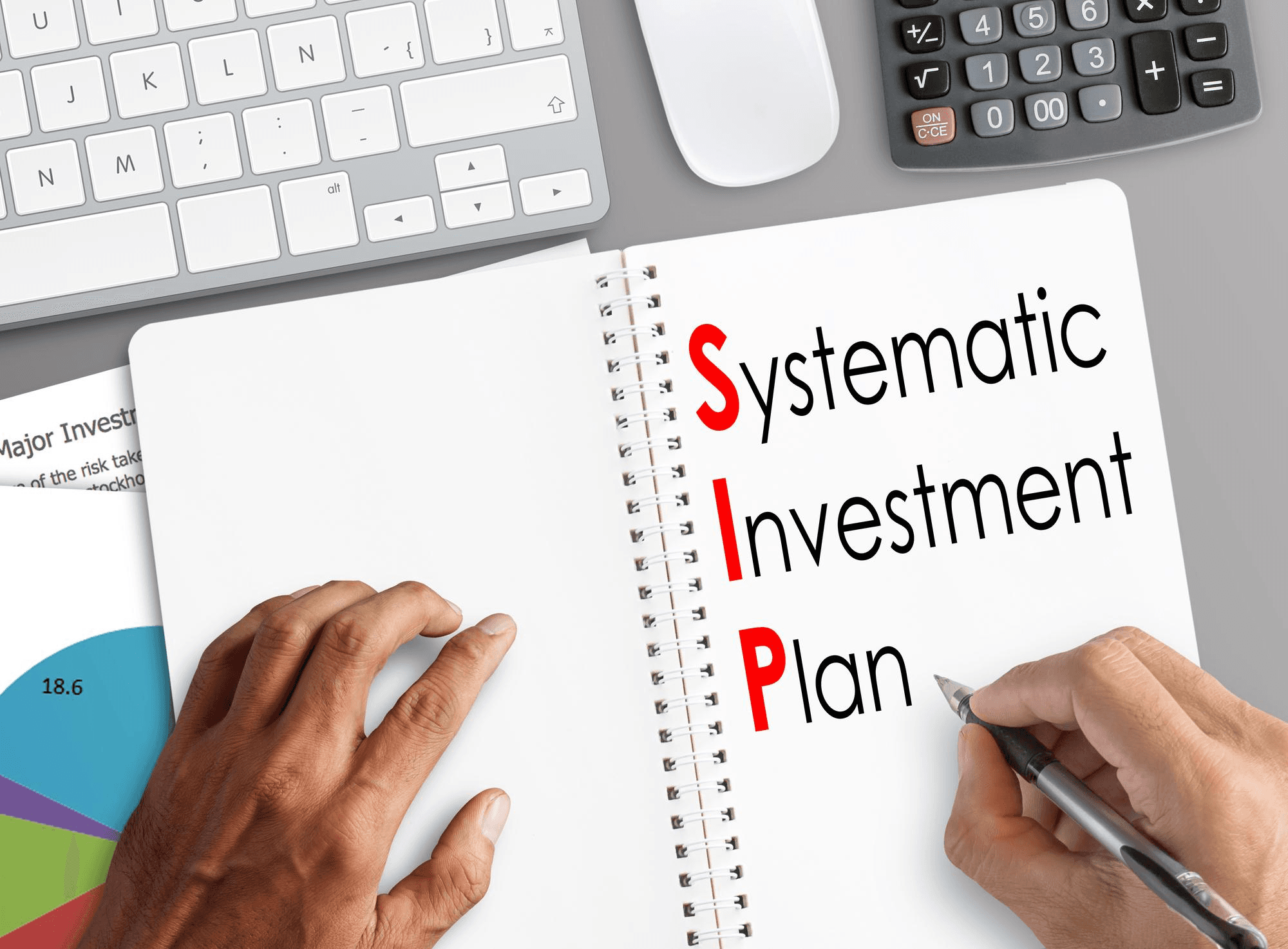 SIP
SIPTypes of SIP (Systematic Investment Plans): A Complete Guide
Explore the different types of SIP plans, including flexible, step-up, and perpetual SIPs, and learn how to choose the right option for your financial…
 Insurance
What is a SIP Investment Plan?
Learn what an SIP investment plan is, how it works, its benefits, types, and how to start SIP in India with this complete beginner-friendly guide.