+91-98111-67809
What to Do If Your Baggage Is Lost During Travel?
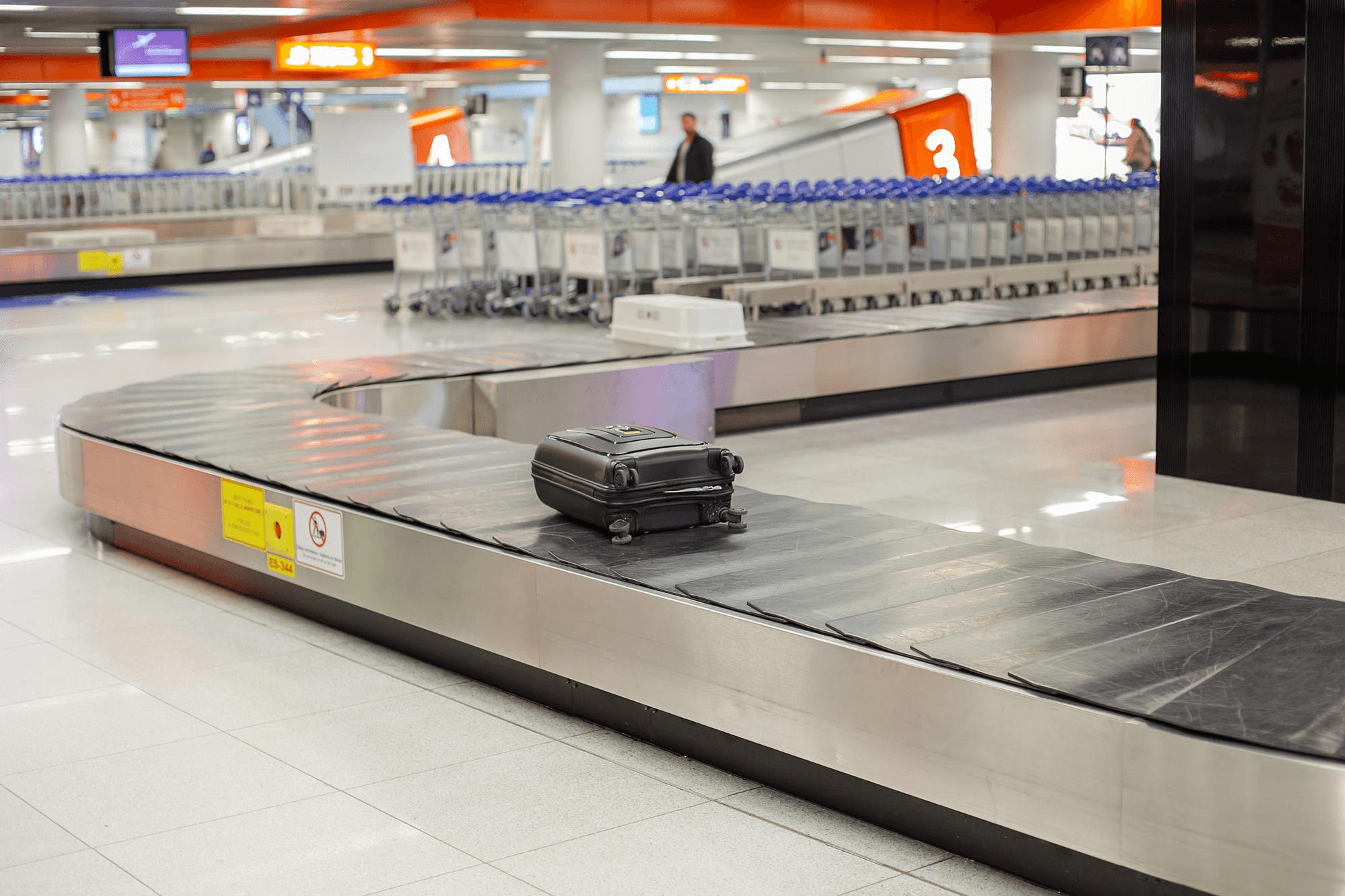
Standing at a baggage carousel watching it go around empty is one of the more frustrating experiences a traveller can have. Everyone else has collected their bags and left. The belt has stopped. And yours is simply not there.
Lost or delayed baggage is more common than most people realise. According to industry data, airlines worldwide mishandle millions of bags every year and while most are eventually recovered, the process of getting them back (or getting compensated) requires knowing exactly what steps to take and when.
This guide walks through the entire process, from the moment the bag doesn't show up to filing a compensation claim.
Step 1: Do Not Leave the Airport Without Filing a Report
The most common mistake travellers make is assuming the airline will sort things out automatically and reach out later. That assumption costs people their compensation rights.
Before leaving the airport, locate the airline's baggage services counter, usually near the baggage claim area or just outside it. This is where the process officially begins, and nothing moves forward without it.
Step 2: File a Property Irregularity Report (PIR)
The PIR is the foundational document for any lost baggage claim. Without it, the airline has no formal record of the incident and no obligation to compensate or trace the bag.
When filing the PIR, carry the following:
- Boarding pass
- Baggage claim tag (the sticker attached at check-in)
- Description of the bag like colour, brand, size, distinguishing features
- Contact details and accommodation address
Always collect a copy of the PIR with a unique reference number before leaving the counter. This number is used to track the bag and support any future claim.
Step 3: Understand the Difference Between Delayed and Lost Baggage
Not every missing bag is permanently lost. The distinction matters because the rights and timelines that apply differ significantly.
- Delayed baggage is the bag that has been located but missed a connection or was loaded onto a different flight. It is typically delivered within 24–72 hours.
- Misrouted baggage is the bag that has been found but is at a different airport and needs to be redirected.
- Lost baggage is the airline cannot locate the bag. After 21 days, most airlines formally declare a bag lost, at which point full compensation procedures apply.
Ask the airline to check the WorldTracer system, the global database used across airlines to track mishandled baggage. Travellers can also track their bag independently at worldtracer.aero using the PIR reference number.
Step 4: Retain All Receipts for Emergency Purchases
From the point the bag is reported missing, any out-of-pocket expenses incurred due to the delay should be documented carefully.
Toiletries, essential clothing, medication, and other necessities purchased because the baggage did not arrive on time are typically reimbursable by the airline. The expenses, however, must be reasonable and directly related to the situation. Luxury purchases are unlikely to be accepted.
Every receipt matters like digital copies sent to an accessible email work well. Without documentation, reimbursement claims are significantly harder to process.
Step 5: Know the Legal Framework That Applies
International Flights: The Montreal Convention
For international travel, passenger rights in baggage disputes are governed by the Montreal Convention, an international treaty adopted by over 130 countries including India.
Key provisions:
- Airlines are liable for up to 1,288 Special Drawing Rights (SDRs) per passenger for lost, damaged, or delayed baggage, approximately ₹1.4-1.6 lakh depending on current exchange rates
- Higher liability can be claimed if the traveller made a special declaration of value at check-in and paid the applicable surcharge
- For delayed baggage, a written claim must be filed within 21 days of the date the bag should have arrived
- For lost baggage, the claim period extends to 2 years from the date of travel
Missing these deadlines forfeits the right to compensation entirely.
Domestic Flights: DGCA Guidelines
For flights within India, the applicable framework is the Directorate General of Civil Aviation's (DGCA) Civil Aviation Requirements. Compensation limits under domestic rules are generally lower than international standards and vary by airline policy. The standard liability for checked baggage is typically capped at ₹3,500 per kg, though individual airline terms may differ.
Travellers should review the specific conditions of carriage for the airline operated.
Step 6: Contact the Travel Insurance Provider
If travel insurance was purchased and for frequent or international travellers, it should be a standard part of trip planning, the insurance provider must be notified as soon as possible after the incident.
A comprehensive travel insurance policy typically covers:
- Baggage loss: reimbursement for the value of lost belongings, subject to policy limits and depreciation clauses
- Baggage delay: a daily allowance for essential purchases if the bag does not arrive within the stipulated hours (usually 12–24 hours from arrival)
- Loss of travel documents: some policies cover replacement costs for passports, visas, and other documents
The PIR number, purchase receipts, and a detailed inventory of the bag's contents will be required when raising a claim. Most policies have a reporting window of 24-48 hours from the incident, delayed reporting can result in claim rejection.
Step 7: Prepare a Detailed Inventory of the Bag's Contents
Whether claiming from the airline or an insurer, a comprehensive list of everything inside the bag is essential. This should include:
- Every item like clothing, footwear, electronics, accessories, toiletries, medication, documents
- Approximate value of each item
- Age and condition of the items
- Any purchase receipts or proof of ownership available
The more detailed and accurate this list, the smoother the claims process. Vague or incomplete lists often result in partial settlements or unnecessary delays.
What to Do If the Bag Arrives Damaged?
A separate but related situation, if the bag arrives visibly damaged (broken wheels, torn frame, damaged zips), the steps are slightly different:
- Photograph the damage immediately, before leaving the baggage area
- Report it at the airline's baggage counter before exiting the airport
- File a PIR specifically for damage, not delay
- Airlines typically offer repair or replacement, if they don't follow through, the Montreal Convention compensation limits apply for international travel
Damage claims reported after leaving the airport are much harder to pursue and are often denied.
Practical Precautions Worth Taking Before Every Trip
While baggage mishandling cannot always be prevented, certain habits reduce the risk and make recovery significantly easier:
- Always carry valuables, medication, and at least one change of clothes in cabin baggage. This single habit eliminates much of the inconvenience when checked bags go missing
Photograph the contents of the checked bag before closing it. This serves as evidence for insurance and airline claims
- Use a distinctive luggage tag with name, phone number, and email address, not a home address
- Add a GPS tracker (such as an AirTag) inside the bag. This provides independent verification of the bag's location, separate from what the airline reports
- Ensure travel insurance is active before departure, not after something goes wrong
Travelling Soon? Get Covered With Policywings
Travel insurance is not an afterthought, it's what stands between a stressful inconvenience and a serious financial setback. A lost bag with valuables worth ₹80,000 and no insurance policy to back the claim can be a costly lesson.
Policywings offers travel insurance plans covering baggage loss, baggage delay, trip cancellation, medical emergencies abroad, and more, sourced from reputed insurers and compared transparently on one platform.
Explore Travel Insurance Plans on Policywings to compare, choose, and buy in minutes.
Frequently Asked Questions
1. How long before a bag is officially declared lost?
Most airlines follow a 21-day window. If the bag remains unlocated after 21 days from the travel date, it is formally declared lost and full compensation proceedings can begin.
2. Can compensation be claimed for a delayed bag, not just a lost one?
Yes. Under the Montreal Convention, travellers are entitled to reimbursement for reasonable expenses caused by baggage delay on international flights, provided receipts are retained and the claim is filed within 21 days.
3. What if the airline refuses to pay compensation?
For domestic disputes, a complaint can be escalated to the DGCA. For international cases, the Montreal Convention provides a legal basis to pursue the claim through consumer courts or civil proceedings. Airline refusal does not override a traveller's legal entitlements.
4. Is the airline claim separate from a travel insurance claim?
Yes, both can be pursued simultaneously. However, travel insurers may deduct any amount already received from the airline before settling the insurance claim, to avoid double compensation.
5. Can a lost bag be tracked independently of the airline?
Yes. The WorldTracer system at worldtracer.aero allows travellers to track mishandled baggage using their PIR reference number. Additionally, GPS trackers placed inside the bag provide real-time location data independent of airline systems.
6. What are the rules for domestic baggage loss in India?
Domestic flights are governed by DGCA guidelines. Compensation limits are lower than international standards. Filing a PIR at the airport remains the mandatory first step, and travel insurance becomes especially important to bridge the compensation gap.
7. What items are typically excluded from baggage compensation?
Most airlines and insurers exclude fragile items, perishables, cash, jewellery, electronic devices, and important documents from standard baggage liability, unless specifically declared and covered. Always check the policy terms before travelling.