+91-98111-67809
What Is Bumper-to-Bumper Car Insurance?

Walk into any car showroom in India, and somewhere between the test drive and the paperwork, a sales executive will mention bumper-to-bumper insurance. It sounds comprehensive, the name alone suggests everything is covered.
But what does it actually mean, how is it different from a standard policy, and does the higher premium justify itself?
These are fair questions. Here's a clear breakdown.
What Is Bumper-to-Bumper Insurance?
Bumper-to-bumper insurance, also called zero depreciation cover or nil depreciation cover, is an add-on to a standard comprehensive car insurance policy. It is not a standalone product.
To understand why it matters, a quick detour into how standard insurance claims work.
Every car part has a depreciation rate, meaning its value reduces with age and use.
- Plastic parts
- Rubber components
- Tyres
- Metal panels
are all assigned a depreciation percentage by the insurer. When a claim is filed under a regular comprehensive policy, the insurer deducts that depreciation from the claim payout.
So if a plastic bumper costs ₹15,000 to replace but its depreciation is 50%, the insurer pays only ₹7,500. The remaining ₹7,500 comes out of the policyholder's pocket.
Bumper-to-bumper cover eliminates that deduction. The insurer pays the full cost of repair or replacement, no depreciation subtracted. Hence the name: from one end of the car to the other, parts are covered at full value.
Standard Comprehensive vs. Bumper-to-Bumper
This comparison is where most people's understanding falls short.
A standard comprehensive policy already covers a wide range:
- Own damage
- Third-party liability
- Theft
- Fire
- Floods
- Natural calamities
It is a solid policy. The gap it leaves is the depreciation deduction at claim time, which on an older car with multiple plastic and rubber parts can be quite significant.
Bumper-to-bumper plugs that gap. The rest of the coverage remains the same, what changes is the settlement amount at the time of a claim.
What Parts Are Covered Under Zero Depreciation?
Most bumper-to-bumper policies cover depreciation on:
- Plastic and fibre components
- Rubber parts like seals, hoses, belts
- Metal body parts
- Nylon and polyester components
- Glass like windshield and windows (in most policies)
What is typically not covered even under zero depreciation:
- Tyres and tubes (usually excluded or covered separately)
- Batteries
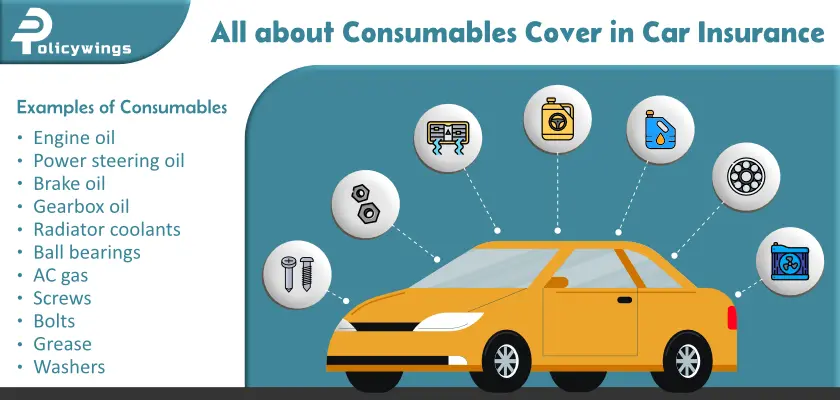
- Engine oil, coolant, and consumables
- Mechanical or electrical breakdown unrelated to an accident
- Wear and tear damage
The exact list varies by insurer, so reading the policy schedule carefully is necessary rather than assuming full cover on everything.
How Does Depreciation Actually Affect a Claim?
Consider a car that's three years old. It gets into a moderate accident:
- Front bumper damage
- Side panel dented
- One headlight assembly broken
Estimated repair cost: ₹40,000
Under a standard comprehensive policy, the insurer applies depreciation rates, say 25% on metal parts and 50% on plastic and rubber. The policyholder may end up receiving ₹22,000-₹26,000, paying the rest themselves.
Under a bumper-to-bumper policy, the insurer pays closer to the full ₹40,000 (minus the compulsory deductible, which applies to all policies regardless).
That difference is ₹14,000 to ₹18,000 in a single claim and that is what zero depreciation cover is for.
Who Should Seriously Consider It?
Bumper-to-bumper cover is not automatically the right choice for every car or every driver. It makes the most financial sense in specific situations.
1. New car owners
A brand-new car depreciates fastest in the first two to three years. Any damage during this period on a high-value vehicle means significant out-of-pocket costs under a standard policy. Zero depreciation is most valuable precisely when the car is newest and the repair costs are highest.
2. Owners of premium or luxury cars
Replacement parts for higher-end vehicles are expensive. A single panel on a luxury car can cost more than the entire repair bill of a budget hatchback. The depreciation gap in these cases is large enough to make zero depreciation cover a financially sensible decision.
3. Drivers in congested urban areas
Heavy traffic, tight parking spots, and chaotic roads mean minor scrapes and dents are a near-regular occurrence in cities. Frequent small claims add up, and recovering full repair costs each time makes a meaningful difference.
4. Inexperienced or new drivers
Higher likelihood of minor mishaps in the early years of driving makes comprehensive cover with zero depreciation a practical choice.
Who Might Not Need It?
Not everyone benefits equally.
1. Older cars
Most insurers do not offer bumper-to-bumper cover for vehicles older than five years. Those that do charge premiums that may not justify the benefit.
2. Experienced drivers with clean records
If the car rarely sees claims, the additional premium over several years may exceed what would have been recovered through depreciation waivers.
3. Cars with lower market value
If the vehicle's total value is modest, the absolute rupee difference from depreciation deductions may not be significant enough to warrant the higher cost.
How Many Claims Can Be Filed Under Zero Depreciation?
This is a detail many people miss. Most insurers cap zero depreciation claims at one or two per policy year. Once that limit is reached, any additional claims in the same year are settled under standard depreciation terms.
Some insurers offer unlimited zero depreciation claims at a higher premium, worth asking about before purchasing, especially for high-usage vehicles.
Does Zero Depreciation Cover Engine Damage?
Not on its own. Engine protection is a separate add-on that covers damage from:
- Waterlogging
- Hydrostatic lock
- Oil leakage
- Similar mechanical failures
Zero depreciation covers the body and external parts, not what sits under the bonnet.
For anyone buying a car in a flood-prone city, engine protection cover is a separate but equally important consideration alongside zero dep.
What Is the Premium Difference?
There's no fixed number because premiums depend on:
- Car's make
- Model
- Age
- City of registration
- The insurer
Broadly, a zero depreciation add-on typically costs between 15% and 20% more than the base own-damage premium.
On a mid-segment car, this might translate to an additional ₹2,000-₹4,000 per year. On a premium or luxury vehicle, it can be considerably more.
Whether that extra cost makes sense depends on the car's value, how frequently it's driven, and how likely a claim is.
Is Bumper-to-Bumper Insurance Worth It?
For a new car, almost always yes, especially in the first three to five years when depreciation rates are steepest and repair costs on new components are highest. A single mid-sized accident in this period can recover the entire additional premium paid over two or three years in one claim.
For an older car, the calculation changes. If the insurer offers the cover at all, weigh the premium increase against the realistic likelihood of a claim and the actual depreciation amounts at stake.
The honest answer, it is worth it for most new car owners. For older vehicles, it requires a case-by-case assessment.
Find the Right Car Insurance Plan on Policywings
Choosing between a standard comprehensive plan and one with zero depreciation cover or deciding which add-ons actually make sense, is easier when the options are laid out clearly in one place.
Policywings lets car owners compare plans from leading insurers, see exactly what each policy includes, and make an informed decision without the pressure of a sales pitch.
Get the cover your car actually needs, at the right price.
Frequently Asked Questions
1. Is bumper-to-bumper the same as comprehensive insurance?
No. Bumper-to-bumper or zero depreciation is an add-on to a comprehensive policy, not a replacement for it. A comprehensive policy must already be in place for zero depreciation cover to apply.
2. Up to what age of car is zero depreciation cover available?
Most insurers offer zero depreciation cover for cars up to five years old. A few extend it to seven years, but availability and pricing vary. Beyond that age, standard depreciation terms typically apply.
3. Does zero depreciation cover apply to all parts of the car?
Not all parts. Tyres, tubes, batteries, and consumables like engine oil are generally excluded even under zero depreciation cover. The policy document will list the specific inclusions and exclusions clearly.
4. What is a compulsory deductible and does it apply under zero depreciation cover?
Yes. A compulsory deductible is a fixed amount the policyholder must bear in every claim, it is not waived under zero depreciation cover. This is separate from voluntary deductibles, which the policyholder can choose to take on in exchange for a lower premium.
5. Can zero depreciation be added to an existing policy mid-term?
Generally, add-ons including zero depreciation are added at the time of policy purchase or renewal. Adding them mid-term is not typically permitted, though some insurers may allow it in specific circumstances.
6. Is zero depreciation cover available for electric vehicles?
Yes, most insurers now offer zero depreciation cover for electric vehicles. Given the high cost of EV components, particularly body parts and battery-adjacent components, it is arguably even more relevant for EVs than for conventional cars.
7. What happens if the car is declared a total loss?
In a total loss situation, where repair costs exceed a certain percentage of the car's insured declared value (IDV), zero depreciation cover generally does not apply. The settlement is based on the IDV, not individual part costs. A return-to-invoice add-on is relevant in total loss situations, not zero depreciation.
8. Does zero depreciation cover help with windshield replacement?
Yes, in most policies. Windshield glass is typically covered under zero depreciation, meaning the full replacement cost is paid without depreciation deduction, subject to the policy terms and claim limits.