Property Insurance and Home Insurance: Understand the Importance

By Sagar Narang
Property Insurance and Home Insurance: Understand the Importance

In the present capricious world, safeguarding your home and important belongings has never been more essential. Property insurance and home insurance are two fundamental defends that each homeowner ought to consider.

Table of Contents

Toggle

In this article, we’ll dive into the significance of these insurance types, their advantages, and how to pick the right inclusion for your requirements.

Figure out Property Insurance

Property insurance is an expansive term incorporating different strategies intended to safeguard actual resources. Whether you own a house, business property, or other important resources, property insurance offers monetary security against harm or misfortunes brought about by unexpected occasions.

Sorts of Property Insurance

1) Home Insurance

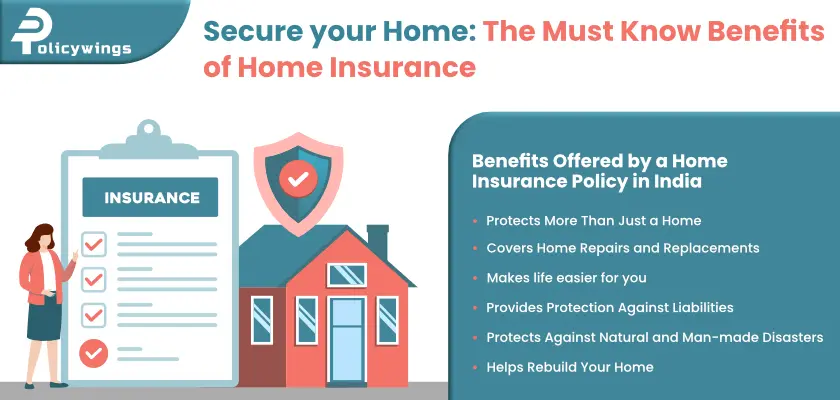
Home insurance, a subset of property insurance, centers explicitly around protecting your home. It gives inclusion to harms to the construction, individual effects, and risk assurance if somebody is harmed on your property.

2) Business Property Insurance

For entrepreneurs, business property insurance is vital. It safeguards your business property, stock, and gear from dangers like fire, burglary, or cataclysmic events, guaranteeing coherence notwithstanding difficulty.

Advantages of Property Insurance

1) Inner harmony for Homeowners

Homeowners can breathe a sigh of relief realizing that property insurance covers harms brought about by occasions like fire, robbery, or serious weather patterns. It likewise incorporates individual property inclusion, offering repayment for harmed or taken effects.

2) Business Security with Business Property Insurance

For organizations, the strength presented by business property insurance is significant. It supports recuperating from monetary misfortunes by taking care of the expenses of property harm, permitting business people to zero in on business tasks without agonizing over startling costs.

Pick the Right Property Insurance

1) Fitting Your Home Insurance Inclusion

While choosing home insurance, evaluate your property’s estimation and items. Tweak your strategy to cover explicit dangers, for example, floods or quakes, which may not be remembered for standard inclusion.

2) Tweaking Business Property Insurance for Business Needs

Organizations ought to painstakingly assess their insurance needs. Modify your business property insurance strategy to cover explicit dangers related to your industry, guaranteeing exhaustive security.

Figuring out Home Insurance

1) Home Insurance Fundamentals: Design Inclusion

Home insurance commonly incorporates inclusion for the design of your home. This truly means that assuming your home is harmed or obliterated by a covered hazard, for example, a fire, the insurance will assist with taking care of the expenses of fixes or reconstructing.

2) Individual Assets Inclusion: Safeguarding What Makes a Difference

Notwithstanding primary inclusion, home insurance incorporates inclusion for individual things. This implies that your furnishings, apparel, hardware, and different belongings are safeguarded against covered risks.

3) Risk Insurance: Shielding Against Claims

Home insurance additionally gives obligation assurance. Assuming somebody is harmed on your property, the obligation inclusion can help pay for clinical costs and legitimate expenses if you’re tracked down answerable for the injury.

Advantages of Home Insurance

1) Monetary Security If there should arise an occurrence of Debacles

Home insurance gives monetary security notwithstanding debacles. Whether it’s a characteristic catastrophe or an unexpected mishap, having the right inclusion guarantees that you won’t be left with overpowering fix or substitution costs.

2) Speedy Recuperation from Robberies and Burglaries

In the sad case of thievery or burglary, home insurance steps in to cover the deficiency of taken things. This guides in recuperating monetarily as well as gives a conviction that all is good and true serenity.

Picking the Right Home Insurance

1)Assessing Your Home’s Estimation

To pick the right home insurance, begin by evaluating the worth of your home and its effects. Think about elements like the area, development materials, and the substitution cost of your assets.

2) Looking at Approaches: Viewing as the Best Fit

Try not to make do with the primary home insurance policy you run over. Think about various strategies, taking into account inclusion cutoff points, deductibles, and any extra supports or riders that might be accessible.

Last Words

Property insurance and home insurance are essential apparatuses for safeguarding your most significant resources. Whether you’re a homeowner or an entrepreneur, figuring out the essentials, advantages, and ways to pick the right inclusion will engage you to settle on informed choices. Secure your home and assets today, guaranteeing a future set apart by inner harmony and monetary strength.


Share this article:

More on Property Insurance

Hand-picked reads on property insurance to help you decide with confidence.

Cheapest Property Insurance: Affordable Protection for Your PropertyProperty Insurance

Cheapest Property Insurance: Affordable Protection for Your Property

Introduction Finding cheapest property insurance India doesn’t mean you should sacrifice protection. For homeowners, landlords and small business owners, low cost property insurance and budget property insurance India options exist but the trick is to balance premium savings with meaningful cover. This article for Policywings explains how to get affordable cover, what to watch for and the recent regulatory changes that affect buyers. What “cheap” should really mean Cheap should mean “cost effective”, not “thin”. A low premium is attractive, but policies that exclude common perils or skimp on sums insured can leave you with large out of pocket losses. Look for a policy that covers both the building (structural damage) and contents (furniture, appliances) and check addons for important risks like flood, earthquake or theft. Consider replacements vs. indemnity bases, replacement cost cover costs more but avoids depreciation disputes at claim time. How insurers keep premiums low Insurers reduce premiums by using narrower cover, higher deductibles (excess) and risk based pricing. You’ll often find cheaper annual premiums if you: Raise the deductible (you pay more for small claims). Limit cover to specific perils (e.g. “fire & allied perils” vs. “all risks”). Install basic safety measures like smoke alarms, burglar grills or approved fire extinguishers and declare them when buying a policy, since many insurers offer discounts. Buy multi year or family/group policies, where available. Practical tips to find the cheapest policy without underinsuring Compare insurer quotes on Bima Sugam and major aggregators, but always verify product wording before buying. Bima Sugam aims to make offerings transparent and comparable. Calculate correct sum insured: undervaluing your property gives cheap premiums but leads to shortfall at claim time; overvaluing wastes money. Choose sensible addons only for example, include flood cover if you live in a flood prone region; skip niche riders you don’t need. Keep records like photographs, receipts and property plans speed up claims and reduce disputes. Recent regulatory changes and compliance you must know The insurance regulator has been active with new regulations in recent years, focused on product clarity, consumer protection and digitisation. In 2024-2025 the IRDAI updated consolidated regulations that affect product filings, solvency and policyholder protection; these set higher standards for product disclosures and grievance handling by insurers. Buying via regulated marketplaces and insurers that follow IRDAI product wordings helps ensure more consistent protection. In addition, the regulator has promoted Bima Sugam, a centralised electronic marketplace to improve choice and transparency for retail buyers, which can help you compare low cost property insurance plans more reliably. There are also active policy discussions and pilot ideas on climate linked and parametric insurance for disaster payouts, which if implemented nationally could change how flood and cyclone risks are priced and paid out. This is particularly relevant for property owners in climate vulnerable areas. Finally, IRDAI has been strengthening grievance resolution mechanisms; draft proposals include in-house ombudsman concepts to speed internal complaint redressal before escalation to external forums. This improves consumer protection when buying even budget policies. What to check in the policy document (must read clauses) Perils covered/excluded: floods and earthquakes are often excluded unless expressly added. Sum insured and basis of settlement: indemnity vs. replacement basis. Deductible/excess: higher deductibles lower premium but increase your exposure for smaller losses. Sub limits and depreciation: watch for limits on specific items (electronics, jewellery) and depreciation tables that reduce payouts. Claim process and timelines: look for insurer commitment on turnaround times and documentation requirements. When cheapest is NOT the right choice If your property is in a high risk zone (coastal, floodplain, seismic), buying the very cheapest plan may leave you exposed to catastrophic loss. Similarly, landlords with rental liability exposures or owners of high value contents should prioritise adequate limits and liability cover over lowest premiums. Quick checklist before you buy Verify the insurer is IRDAI registered. Read the product brochure/wording not just the marketing blurb. Check claim settlement ratio and sample claim timelines if available. Ask about discounts (multi year, security device, salaried). Keep an inventory with photos and proofs. Conclusion Affordable property protection in India is achievable with a disciplined approach: choose the right cover, use regulated comparison channels and stay informed about regulatory changes that improve transparency and claims handling. Policywings recommends prioritising correct sums insured and essential covers (fire, flood where needed and liability) because genuine value lies in the policy’s ability to restore your life after loss, not only in the premium paid.

Written bySagar NarangPublished onDecember 1, 2025

You may also like: Business Insurance

Related guides from our business insurance desk.

How Much Does Business Insurance Cost for Small Companies in India?Business Insurance

How Much Does Business Insurance Cost for Small Companies in India?

Introduction Having a small business in India starts with immense opportunities but also with a wide range of challenges. Moreover unforeseen occurrences like fire mishaps, legal conflict, cyberattacks or property damage can destroy business functions and can create financial risks. This is why learning about business insurance costs is important for all small and medium enterprises (SME). Insurance gives financial security and also a peace of mind which allows businesses to concentrate on growth while preparing for incidental events. Why Small Businesses Need Insurance One huge misfortune can be difficult to recover for a small company or a startup. Large corporations have multiple revenue streams but SMEs generally function with limited resources. A lawsuit or an accident on company premises or even a data breach could influence cash flow and also lower the company’s reputation. This is why SME insurance is essential. It makes sure that unforeseen costs are controlled by the insurer instead of the business consuming the whole financial risk. Having insurance coverage even increases credibility with clients, investors and partners. Many corporate clients prefer working with vendors who are correctly insured as it shows financial responsibility and long term stability. Influence on Business Insurance Cost The cost of insurance for small businesses in India is not consistent. Many elements establish the premium amount and learning about these can boost SMEs to make sound choices. The industry type plays an important part. For example a manufacturing unit trading with high weight machinery may pay extra for insurance than a consulting firm due to higher risk exposure. The size of the company which also includes revenue, total employees and geographical area which affects the premium. Companies with more than one office or warehouses are likely to need higher coverage compared to smaller functionalities. The type of coverage chosen is another important element. A comprehensive policy covering property damage, liability and cyberattacks will cost more than a basic plan providing limited protection. The history of claims can also influence premiums. Businesses with a record of constant claims are likely to face more insurance costs. In the end the location is also important. Companies functioning in high risk areas are more prone to natural disasters, hazards or theft which may pay more for insurance compared to those in safer areas. Common Business Insurance Cost for SMEs Although accurate costs differ still most of the SME insurance premiums are moderately affordable considering the safeguard they offer. A small consulting firm with 10 to 15 employees may pay between INR 25,000 to INR 50,000 yearly for professional indemnity and liability coverage. A retail shop or small manufacturing unit may pay INR 50,000 to INR 1,50,000 yearly conditional on the level of property and asset protection requirement. Cyber liability insurance is increasingly getting popular among IT and digital service providers which can range from INR 20,000 to INR 1,00,000 yearly conditional on data exposure. Group health insurance for employees is another common coverage among SMEs which typically costs around INR 6,000 to INR 10,000 per employee yearly. These figures are suggestive, most likely to be assumed and can differentiate based on the insurer, coverage options and risk profile of the business. Policywings help SMEs strategise or compare plans and can offer cost effective solutions customised to their needs. Types of Insurance Policies That Affect Costs Under business insurance costs it is important to know the types of coverage which are available for SMEs. Property insurance protects office spaces, warehouses and equipment against fire, theft or natural disasters. Liability insurance covers legal costs in case of third party claims. Professional indemnity insurance safeguards service based firms such as consultants, auditors and IT companies from errors or negligence claims. For businesses with an online presence, cyber liability insurance is increasingly essential. SMEs that manufacture or supply goods mostly go for product liability coverage to protect against claims related to defective products. Additionally, group health insurance is widely chosen by SMEs to provide employee benefits and attract talent. Each of these policies adds to the total insurance cost but all together they provide comprehensive safeguard. Management of Business Insurance Costs Small businesses mostly function with small budgets as it’s important for them to manage insurance costs effectively. The initial step is recognising risks carefully. All companies do not require every type of coverage. For example a small consultancy can have professional indemnity insurance over product liability coverage. Selecting policies based on real business risks makes sure that SMEs do not exhaust money on not required protections. Comparing quotes from various insurers also makes a visible difference in premium costs. Involving advisors or digital platforms like Policywings can also help SMEs get transparent comparisons and choose policies that can balance affordability with comprehensive coverage. Selecting increased deductibles where the business agrees to carry a small portion of the loss can also decrease premium amounts. Maintaining a good claims history can make a significant change as well as it can keep costs under a grip. Businesses that apply safety protocols, cybersecurity extents and compliance practices are mostly rewarded with lower premiums by insurers. Conclusion Knowing business insurance costs is important for small companies wanting to protect their functionalities from unforeseen events or risks. While premiums differ depending on industry, size, coverage and location where protection insurance offers high costs. For SMEs insurance is not an extra spending but an investment in stability and development.

Written byRahul NarangPublished onDecember 12, 2025
What Does a Business Owners Policy (BOP) Cover in India?Business Insurance

What Does a Business Owners Policy (BOP) Cover in India?

Introduction Business Owners Policy India and BOP insurance provide a streamlined, cost effective safety net for small and medium enterprises. In India, where operational risks range from property damage to legal liability, a business owner’s policy provides flexible coverage and strong compliance making it the perfect choice for companies wishing to combine several insurance policies under one roof. Understanding the Scope of a BOP Insurance for Indian Businesses Typically, a Business Owners Policy combines necessary business coverages into a single, specially designed product that is adapted to the complex requirements of Indian commercial enterprises. In general, these bundles include: Property insurance protects tangible assets such as structures, equipment, supplies and fixtures. Liability insurance that guards against third party claims of harm or property loss brought on by company operations. BOP insurance offers simplified administration, affordable premiums and improved clarity by combining these essential protections; this is particularly beneficial given India’s heterogeneous regulatory and sectoral environment. Property Coverage: Protecting Business Infrastructure and Inventory Property insurance is the foundation of a BOP. It protects material assets from dangers like fire, theft, rioting, natural disasters and other disasters. These include business buildings, plant and machinery, equipment and stock. Insurers have to precisely define covered perils, exclusions and valuation techniques in compliance or accordance with India’s General Insurance Business Regulations and Compliances. To prevent claims frictions it is important for the businesses to make sure that the policy wording clearly defines all the covered risks (e.g. fire and related hazards, flood, storm and burglary) and also specifies the valuation bases (e.g. indemnity, replacement cost or market value). Realistic asset values and policy limits that are in line with day to day operational realities are essential components of a legally sound policy. Liability Coverage: Shielding Against Third Party Claims In order to protect against third party claims for property damage or bodily injury resulting from routine business operations, liability protection under a BOP is essential. A duty of care is emphasised by India’s tort laws and statutory provisions, which hold companies liable for negligence even in routine operations. Usually, BOP provisions pay for settlement sums, medical bills or legal defence costs. The policy must be in line with the operational scope of the business because liability landscapes vary, ranging from small offices to manufacturing setups or shopfront locations. Systematic, efficient orequitable claim settlements are made sure by clearly stating the limitations, exclusions (e.g. professional liability) and claim procedures. Business Interruption Coverage Costly revenue interruptions can result from disruptions caused by fire, flood or other hazards. Business interruption coverage, which compensates for lost revenue and covers short term relocation or replacement costs while operations are resumed, is how BOP insurance handles this. Clearly stated indemnity triggers, waiting periods and the duration of coverage are essential given India’s regulatory emphasis on equitable settlement practices. Companies should verify whether the policy accounts for increased expenses during downtime and whether it determines loss based on actual earnings or projected operational income. Additional or Optional Add Ons in BOP Insurance Insurers in India may provide additional modules to enhance protection even though the standard BOP framework combines property, liability and business interruption coverage: Equipment Breakdown Cover: Guards against electrical or mechanical malfunctions. Cash or negotiable instruments stored on site are protected by money and securities insurance. Employee dishonesty: Protects against dishonest behaviour by staff members. Glass Damage: Protection against harm to windows or fixtures made of glass. Extensions for Natural Disasters: Adding coverage for cyclones or earthquakes where necessary. It depends on the industry and the main exposure profile of the company. These options may be beneficial whether it is a professional office, cafe, small manufacturer or textile retailer. To promise or guarantee enforceability and transparency it is advisable to make sure or confirm that any add ons relevant to the regulations set forth by the Insurance Regulatory and Development Authority of India (IRDAI). Legal Regulatory Framework Clarity and transparency in a policy is important in Indian insurance jurisprudence. Courts interpret ambiguous terms against the insurer by applying the contra proferentem principle. Uncertain exclusions, for instance, weakened insurer’s positions in cases like United India Insurance Co. Ltd. v. Lotus Petrofils (P) Ltd., leading to rulings in favour of the insured. BOP policies must therefore state: Well defined covered hazards and specified exclusions (e.g., hostile fire, unseaworthiness, standard exclusions). Conditions for valuation claims in order to ensure predictable and enforceable indemnity, particularly for stock and property. Succinct, clear definitions of “premises”, “business interruption,” and other key terms. The policy’s legal integrity is strengthened by making sure these components comply with insurer disclosure requirements under the Insurance Act and related regulations as well as IRDAI mandated product filing standards. Evaluating BOPs for Coverage Suitability in India Indian companies, whether they are small manufacturers, retailers or service providers, should evaluate coverage in relation to their unique risk profile, geographic location and legal requirements when contemplating a business owner’s policy. Important things to think about are: Location and exposure of the business, such as areas vulnerable to earthquakes, floods or high theft rates. Accurate asset values are necessary to establish suitable boundaries. Operational sensitivity and continuity requirements, particularly in cases where disruptions have a significant impact on profitability. The way third parties interact shapes the risk of liability. Legal soundness, unambiguous contract language, IRDAI compliance and matching coverage to actual exposures rather than merely meeting regulatory minimums should be the main topics of an informed discussion with insurers. The Strategic Value of a BOP Insurance Policy For Indian businesses looking for comprehensive risk management effectiveness, a well designed BOP insurance plan can be a valuable strategic asset. Businesses can gain from more transparent terms, consistent coverage and possibly lower combined premiums by combining several essential coverages: property, liability, business interruption,and optional extensions under a single policy. A business owner’s policy can be transformed from insurance into a governance tool with clear content, regulated product filing and legally sound wording. It protects corporate continuity from routine

Written byRahul NarangPublished onSeptember 5, 2025
How to Conduct a Business Risk Assessment (With Free Template)Business Insurance

How to Conduct a Business Risk Assessment (With Free Template)

Introduction To find weaknesses and opportunities strengthen your defences and guarantee adherence to legal requirements begin your risk assessment checklist right away. To identify gaps and protect against liability a comprehensive business insurance audit is necessary. A strategic frequently disregarded practice that aids organisations in anticipating threats protecting assets and maintaining legal compliance is conducting a business risk assessment. This procedure is essential for reducing operational financial legal and reputational risks regardless of the size of your company. The Legal Framework Before identifying any risks you have to make sure that your assessment follows the relevant laws and regulations. Anti Money Laundering (AML) regulations, data protection laws (GDPR India’s IT Act 2000 and Personal Data Protection Bill), occupational health and safety acts (e.g. Indian Factories Act 1948, Health and Safety at Work Act 1974 in the United Kingdom and OSHA in the United States). Understanding the Objectives First make it clear which aspect of your company you are evaluating. Typical scopes consist of: The entire company Particular divisions (such as operations finance and IT) Specific disasters/hazards (such as supply chain,cybersecurity and regulatory compliance) Establish goals like lowering insurance costs, improving security measures adhering to GDPR or influencing long term corporate strategy. Put Together a Multidisciplinary Team Risk has many facets. Incorporate interested parties from: Accounting and finance Logistics and operations Safety and Health (OHS) Cybersecurity and IT Management of insurance and human resources This guarantees a thorough comprehension of possible exposures. Determine and Classify Risks To make sure nothing is missed use a structured risk assessment checklist. Typical classifications: Market disruption mergers and legal/regulatory changes are examples of strategic risks. Operational risks include supply chain problems, human error and equipment failure. Financial risks include currency fluctuations, credit defaults and inadequate insurance. Legal and Compliance Risks: Data breaches environmental non compliance and labour violations Reputational risks include public scandals, product recalls and social media gaffes. Cyber and Data Risks: Phishing ransomware and customer record loss Create your list using methods such as process flow charts, SWOT analysis brainstorming and reviews of past incidents. Examine Impact and Probability After you’ve gathered risks assess each one by: Probability: Infrequent improbable probable nearly certain Impact: Catastrophic Moderate Major Minor and Inconsequential High probability/high impact risks are given priority when mapping results in a heat map. Where to concentrate mitigation efforts is made clear by this visual aid. Examine Current Insurance and Controls To match your coverage with identified risks, conduct a business insurance audit. Look at: General professional and product liability policies Insurance against property damage and business interruption Insurance for cyberspace Coverage of Directors and Officers (D&O) Employer’s liability and worker’s compensation Evaluate the extent to which risk categories are covered by current policies and identify any gaps. Additionally assess internal controls such as compliance checks, safety procedures, encryption tools and training initiatives. Create Strategies for Mitigation Make thorough plans for mitigating each high priority risk. Among the options are: Avoidance: Put an end to risky activities completely (e.g. discontinuing hazardous processes). Reduction: Include safeguards, protocols and training. Transfer: Use contracts with third parties or insurance to transfer risk. Acceptance: Consciously limit your risks. Describe the tasks accountable to parties due dates and success metrics. For instance “HR will implement GDPR training by December 1 2025 with a 90 day completion rate of 95% of staff”. Documentation and Template Use Keeping track of everything is made easier with a structured risk register template. It ought to contain: Risk classification and description Impact and likelihood scores Current controls Verification of insurance coverage Owner of the risk Actions taken to mitigate Current situation and desired dates Make sure every entry demonstrates how the laws and regulations mentioned relate to it—for example “Control: mandatory PPE under the Factories Act 1948”. Legal Review and Compliance Check Ask your compliance or legal team to check the register for regulatory alignment. Verify: OSHA/Factories Act requirements are met by health and safety measures. Data handling complies with the requirements of the GDPR and IT Act Contracts contain liability caps and indemnities. Due diligence against bribery complies with the Indian Prevention of Corruption Act, the UK Bribery Act or the FCPA. Report and Escalate Complete the risk register and include a summary of the main risks controls and suggestions. Give the board and senior leadership a dashboard. Inform top management as soon as possible of important issues such as cyberthreats or risks to regulatory enforcement. Monitor Test and Update Risk assessment is a continuous process. Start a cycle: Review of the major risks each month Controls are tested every three months (e.g. drills audits) Complete reassessment every year Update entries to reflect new technologies insurance renewals regulatory changes or incident results. Engage in Continuous Improvement Use metrics like incident frequency near miss reports and claims data to refine processes. Compare your practices to industry standards (e.g. ISO 31000 for risk management). Learnings from actual events (e.g. supply chain disruption during COVID-19) should inform updates. Summary of Free Template This is a basic outline that you can adapt: Identification and Description of the Risk Classification Probability Effects Current Controls Coverage of Insurance Level of Residual Risk Owner of Risk Action for Mitigation and Deadline Status and Date of Review Regulatory Reference (e.g. GDPR art. 32 OSHA sec. 5) This can be converted into risk management software or spreadsheets. Clarity accountability and traceability like a court case file are crucial. Advantages of a Comprehensive Risk Analysis Legal justification with proof of compliance Optimising insurance premiums by identifying risks Preemptive planning and strategic decision making promote operational resilience and sustainable growth. Protecting one’s reputation and averting preventable crises Conclusion A business risk assessment serves as a strategic enabler as well as a legal safeguard. Businesses can better anticipate, mitigate and manage risk by combining a thorough checklist, proactive insurance audit review of legal infractions and disciplined monitoring. Your reputation legal compliance and balance sheet all depend on it so start using the free template above.

Written bySagar NarangPublished onSeptember 26, 2025

Explore: Claims & Support

Broaden your view with a quick read on claims & support.

Mediclaim Policy Renewal: What You Must Check Before RenewingClaim

Mediclaim Policy Renewal: What You Must Check Before Renewing

Introduction It might have happened to you or somebody you know that for years you had your mediclaim insurance policy and you were also paying regular premiums. Once time you made a claim and found out that certain benefits had lapsed. So frustrating, isn’t it? This is why it’s highly recommended that when you renew your mediclaim insurance, you must also make sure your coverage will continue to fit your needs. It’s super important to review your policy at the time of renewal, especially because medical costs are increasing. Let’s discuss what all do you need to check before renewing your mediclaim insurance in India so that you don’t miss changes in coverage or lose important benefits. What Makes Renewal So Important? Life is never the same. Sometimes situations change, sometimes lifestyle. You could develop a new illness, there could be an increase in medical prices or maybe the needs of your family grow than before. You must never renew your policy without reviewing it. When you pay attention at that time, you ensure having the right coverage when you actually need it. You can’t do much once you have bought the policy but renewals offer you a chance to: Upgrade coverage and match it with the rising medical costs. Add new riders or benefits to the policy that were not there before. Always renew on time so that waiting periods don’t restart. Protect your coverage by staying regular with your payments. After all, a careful renewal is a guarantee that your mediclaim insurance policy grows with your changing needs. What to Check Before Renewing Your Mediclaim Policy? Renewing your mediclaim insurance policy doesn’t just mean paying the premium on time but ensuring your coverage is enough for you when required. Let’s see what you should definitely check at the time of policy renewal: Coverage Amount (Sum Insured) In India, medical costs are rising every year and this is a point of concern. The insured amount you chose a few years ago is most possibly not enough today, especially if you’re in a metro city. Check if you need to increase the coverage while you are renewing. Waiting Periods for Pre-Existing Diseases When you keep renewing the policy, the waiting period for pre-existing conditions also keeps reducing and it’s a big benefit. At the time of payment, confirm whether the mediclaim insurance policy cover those diseases now. Room Rent Limit and Hospital Network Room rent limits or hospital tie-ups might be small factors but can affect your claim big time. If you want a private room but your policy allows only a shared room, you may have to pay yourself. It should also be checked if your preferred hospitals are a part of the insurer’s network. New Riders or Add-On Benefits Many insurers introduce new features for the convenience and benefits of the policyholders. People can always opt for the extras like critical illness riders, maternity cover etc. Of course, renewal time is the best to add these riders to your mediclaim insurance. Premium vs. Benefits The premium you’re paying should ideally justify the benefits you’re getting. It’s possible that there’s another plan from the same insurer or a different one that offers better coverage at a similar cost. At renewal, you upgrade your policy and it continues the same. No-Claim Bonus (NCB) Your insurer should also offer a no-claim bonus. Basically, many insurance companies increase your coverage amount for the year you don’t make a claim. Do keep this benefit in mind while renewing. Exclusions and Policy Updates Insurance companies also keep updating their terms. Every time you renew, go through the fine print to check what’s not included this year. It could be procedures like cosmetic surgeries or certain advanced treatments, so stay alert and informed. Grace Period for Renewal Renewal of mediclaim insurance in India has to be done before the due date. While insurance companies normally provide a grace period of 15–30 days for payments, you can’t make claims during this period. Also, missed renewal means waiting periods would restart and all the previous time has been wasted. Mistakes People Make During Renewal Renewing a mediclaim insurance policy isn’t limited to continuing the same plan. There are mistakes that so many people unknowingly make that either affect their coverage or claims. Just beware of these catches for a wise renewal: Not updating health details– Don’t forget to inform your insurer if you’ve developed a new illness or undergone surgery because hiding details can lead to your claim being rejected. Missing the due date– A late renewal means you will missout on your No Claim Bonus (NCB) and even a policy lapse. Ignoring changes in coverage– Sometimes insurance company change their terms, add new rider options or modify coverage so go through the fine print. Accepting higher premiums blindly– Many people pick up the first policy they see. Not comparing alternatives, they end up paying more. How to Save on Your Mediclaim Insurance? Time for renewal? It’s the perfect chance to make your mediclaim insurance in India more cost-effective while holding on to the benefits. All you need is a little planning for a reduced premium and improved coverage. Consider portability– If you find that another insurer is offering better benefits at the same cost, you can switch to it. Your continuity benefits will remain the same. Opt for long-term policies– Many insurers will also offer you discounts if you straightaway buy a 2–3 year mediclaim policy instead of renewing it every year. Adjust deductibles wisely– If your employer already provides health cover, choose a bigger deductible on your mediclaim to lower your premium. Compare online before renewal– You can also benefit from the market competition. You must check different plans so you can get the best value for your money. The Rising Need for Mediclaim Insurance in India The costs of healthcare in India are skyrocketing and there are hardly any signs of slowing down. Treatments for critical conditions like cancer,

Written byRahul NarangPublished onOctober 30, 2025
Claims Advocacy in India: How Insurance Brokers Improve Settlement OutcomesClaim

Claims Advocacy in India: How Insurance Brokers Improve Settlement Outcomes

Introduction The year 2025 saw the Indian insurance policyholders being more aware about their rights than ever before. However, they still find the claims processes difficult to go through. The consumers are frequently feeling disgruntled because of complicated paperwork, waiting for long periods and having disagreements with their coverage, to name a few. In India claims advocacy has evolved as an essential support system with brokers making sure fair treatment and timely settlements for policyholders. The function of brokers has shifted from merely policy placement to a more supervisory role in the safeguarding of policyholder’s rights during claims, which is the most difficult phase of the insurance journey. The Role of Brokers in Claims Advocacy Insurance brokers are the middlemen between the people who own the policies and the companies that provide the policies. In the claims setting, their work is not only on the side of the administration. Brokers assist to do the following tasks: they interpret policy terms, they execute the required paperwork, they negotiate with the insurance companies and they even provide legal assistance if there is a conflict. By advocating for policyholders brokers make sure that the insurers honor the coverage promised in contracts with reducing the risk of delays or unfair rejections. By combining the technical aspects of the insurance industry with the role of advocator, brokers have become an important factor for the trust in the system. Challenges in Claims Settlement Despite regulatory reforms, claim settlement remains an area of friction in India. The common issues that frequently occur are: Ambiguity in Policy Terms: Disputes are usually the result of vague exclusions or unclear definitions of the terms. Delays in Processing: Inadequate documentation and procedural inefficiencies are the main reasons that settlements can be delayed. Claim Denials: Insurers may refuse claims because the policyholder did not disclose all the facts, informed the insurer late or on technical grounds. Under settlement: When claims are only partially paid leaving losses uncovered then the total amount of loss causes dissatisfaction and filing of lawsuits. These issues have led to a number of court decisions which have emphasized that insurer’s contracts should be interpreted in a manner that is fair and favorable to the insured, especially when the language is unclear. Legal and Regulatory Framework In the Indian insurance industry, the Insurance Regulatory and Development Authority of India (IRDAI) is the monitoring body that keeps the insurance companies within certain time limits for their claim settlement and requires them to indicate the reasons explicitly in case of a denial. As licensed intermediaries, brokers have the duty to work in the interest of their clients and to ensure that these requirements are fully complied with. The courts through the Consumer Protection Act have in their judgments always placed the liability on the insurer in such cases where the claim has been rejected in an arbitrary way and without any justification. There are numerous instances where the courts have not only ordered the complete settlement of the claim but also have awarded the complainant money for the inflicted mental agony and the litigation costs. The active participation of brokers diminishes to the lowest amount the possibility of conflicts that become legal by providing the on time execution, accurate documentation and fair negotiation. Moreover, affected by the introduction of the Digital Personal Data Protection Act, 2023, intermediaries dealing with sensitive claim data must maintain confidentiality on a high level. Violations or data breaches in the claims management process may not only lead to the issuing of fines but also to damage the organization’s reputation. Benefits of Insurance Claims Advocacy Fair Settlements: Brokers represent the rights of the insured and ensure that the claims are not rejections which are false or under settlements. Expert Guidance: Brokers assist clients in understanding policy wording thus they can communicate better and the claim application becomes stronger. Reduced Legal Risk: With professional support, policyholders are less likely to face prolonged litigation. Faster Resolutions: Coordinated communication between brokers and insurers minimises delays in claim settlement. Consumer Protection: Brokers’ accountability under law ensures policyholders have an additional layer of support against insurer misconduct. Brokers as Risk Managers Beyond claims handling, brokers also assist businesses and individuals in adopting preventive measures to minimise claim disputes. The list can even go to helping a client disclose the true facts of the situation, maintaining the risk management system that helps the company and keeping detailed records. Being proactive will give you the benefits of a smooth claim and that you will comply with the requirements of the policy. Claims advocacy is also a good thing for negotiations with big settlements covering property, liabilities or health where conflict can reach millions of dollars as these are corporate clients. The knowledge of a broker through the documentation process and abiding by the regulatory requirements is what makes the difference between winning and losing cases. Upcoming of Claims Advocacy in India As the insurance part enfolds digitisation and the part of brokers in claims advocacy is also developing: AI Driven Claims Help: Data tools support brokers identify lost documents and flag discrepancies early which reduces rejections. Digital Ledger Records: Established digital records of claims build up transparency and accountability. Fusion Models: While digital structure gets better efficiency, brokers can personally guide and it remains important in complicated cases. Insurance claims advocates in India are going to be in greater demand as the urban risks keep on increasing, climate related claims and regulatory scrutiny. Brokers will keep playing the role of interpreters between the insurers who are bound by contracts and policyholders who have been expecting a fair settlement. They will thus make a key contribution to the achievement of such settlements. Conclusion In the constantly changing environment of 2025 it has become crucial that the broker claims support be present for the proper and fair settlement of claims. Insurance brokers take on the roles of champions, mediators and compliance monitors, thereby facilitating rightful payouts to the insured. Claims assistance in India is empowered

Written byRahul NarangPublished onSeptember 11, 2025