+91-98111-67809
How to Choose the Right Commercial Insurance for Your Business?

Introduction
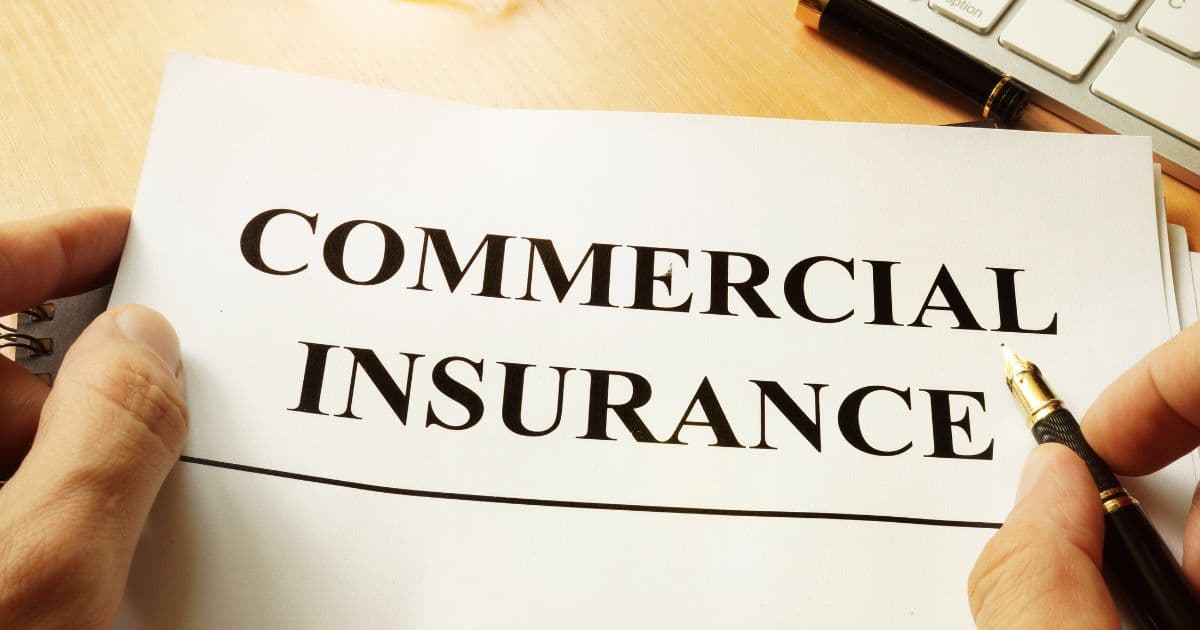
A key component of your risk-management plan should be selecting the best business insurance for companies and selecting the appropriate commercial insurance for your enterprise. Here, well-informed choices guarantee regulatory compliance, minimise liability, and safeguard assets. You can protect your business from both anticipated and unanticipated risks by assessing coverage types, legal requirements, and industry-specific exposures.
Table of Contents
- Introduction
- Recognise the Risk Profile of Your Company
- Legal Norms and Regulatory Compliance
- Insights from Case Law
- Tailor Coverage to Industry-Specific Risks
- Assess the Insurer’s Claims Management and Financial Stability
- Compare Policies Beyond Premium
- Regular Review and Risk Management Integration
- Conclusion
Recognise the Risk Profile of Your Company
Do a thorough risk assessment first. Determine which particular risks your company is exposed to, such as property damage, liability claims, business interruption, professional errors, cyberattacks, or employee injuries. The importance of each risk category depends on your operations, workforce size, and asset value. Additionally, determine whether you work in a regulated sector where specific insurance is required by law. For example, the applicable workmen’s compensation act or labour welfare regulations may mandate employee compensation insurance if your company has employees. Employers are usually required to obtain this insurance to cover workplace fatalities or injuries, so be sure to consult the relevant statute in your jurisdiction.
Understand the Different Types of Coverage for Commercial Insurance
- Property insurance protects company assets from theft, fire, natural disasters, and other insured perils, including buildings, machinery, equipment, and inventory.
- General liability insurance protects your company against third-party property damage or bodily injury claims. Even for non-operational properties, this is frequently necessary.
- Errors and Omissions in Professional Liability: crucial if you provide services, advice, or specialised knowledge. It includes carelessness, errors, and failure to fulfil professional obligations.
- When business operations are halted because of a covered peril, business interruption insurance reimburses lost revenue and operating costs.
- Cyber insurance is becoming more and more important in the digital age; it covers expenses for data breaches, cyber extortion, and business recovery from cyberattacks.
- Worker’s compensation or employer’s liability: It covers workplace injuries that employees sustain on the job and is legally required in many jurisdictions.
- Commercial auto insurance, which covers liability and physical damage to company-owned vehicles, is necessary if vehicles are used for business purposes.
Legal Norms and Regulatory Compliance
To choose legally sound insurance:
- Examine the required insurance coverage: Refer to relevant laws, such as the Factories Act, the Industrial Disputes Act, or the Workmen’s Compensation Act, depending on the jurisdiction. For instance, many compensation statutes require employers to have insurance coverage for workplace injuries; otherwise, they risk fines and liability.
- Verify Contractual Coverage: Minimum liability coverage levels are frequently specified in business agreements, such as leases, vendor contracts, or client contracts. To reduce the risk of a breach, make sure your policy satisfies these contractual minimums.
- Recognise policy terms and exclusions: Exclusions the absence of coverage for particular risks are frequently the basis for legal disputes. It is crucial to read the policy wording carefully, such as “act of terrorism”, “flood vs. water damage”, or “gradual pollution”. According to legal standards, courts may interpret ambiguities contra proferentem, or ambiguities construed against the insurer, when they occur.
**Insights from Case Law
**
Important lessons about how courts interpret coverage can be learnt from legal precedents:
- Unless the policy specifically links interruption to property damage not just government-ordered closures a judgement might hold that business interruption is not covered. Thus, make sure that “interruption” is defined precisely in your policy.
- Despite the use of more general “all-risk” language, some rulings have made it clear that cyber-attack coverage must be explicitly included. Don’t assume that data breaches are automatically covered by your property or general liability insurance.
- Courts have also ruled that lenders or lessors listed as additional insureds or loss payees are only protected if specifically mentioned, highlighting the significance of precise policy endorsements.
Tailor Coverage to Industry-Specific Risks
Particular fields, such as manufacturing, IT, hospitality, healthcare, and construction, have particular risks:
- All-risk and plant/machinery insurance for contractors is essential for construction companies.
- Strong professional indemnity and cyber insurance benefits IT services.
- Product liability insurance may be necessary for manufacturers to prevent harm from being caused by defective products.
Determine these particular requirements using industry standards and peer benchmarking. Insurance guidelines for your industry are published by certain regulatory bodies. To prevent gaps, adjust coverage appropriately.
**Assess the Insurer’s Claims Management and Financial Stability
**
The quality of a policy depends on the insurer’s financial stability. Examine the financial ratings that independent rating agencies have provided. Evaluate the reputation of claims handling, including how quickly and equitably claims are handled. Industry reports or customer reviews can be helpful, though they aren’t always accessible to the general public.
**Compare Policies Beyond Premium
**
The premium price is only one consideration. In contrast:
- Sub-limits and coverage limits
- Deductibles (higher deductibles raise out-of-pocket risk while lowering premiums)
- Exclusions and recommendations
- Terms of the policy (e.g., reinstatement clauses, coverage period)
A package policy, which combines property, liability, business interruption, etc., may be beneficial to you. Package policies frequently offer more comprehensive coverage at a lower cost than individual policies.
**Regular Review and Risk Management Integration
**
As the asset base expands, new services are offered, cyberthreats increase, and laws change, commercial risk changes as well. Review your insurance portfolio once a year. Incorporate safety, cybersecurity, and employee training into your risk management plan to lower premiums and enhance safety results. Additionally, schedule policy anniversaries to align with statutory updates or business changes.
Conclusion
In order to select the best commercial insurance for your company, you must:
- Comprehensive risk analysis that fits your company’s needs.
- Being aware of the insurance kinds that apply to your business.
- Adherence to the legal requirements and contractual duties outlined in statutes and case law.
- To prevent coverage misunderstandings, learn from court decisions.
- Adjusting for exposures unique to a given industry.
- Assessing the service quality and financial stability of the insurer.
- Evaluating coverage in its entirety, not just in terms of cost.
- Reviewing your coverage on a regular basis as your company and risk environment change.
You can improve resilience, guarantee regulatory compliance, and safeguard the foundation of your business by approaching commercial insurance from a strategic, legally informed perspective.