+91-98111-67809
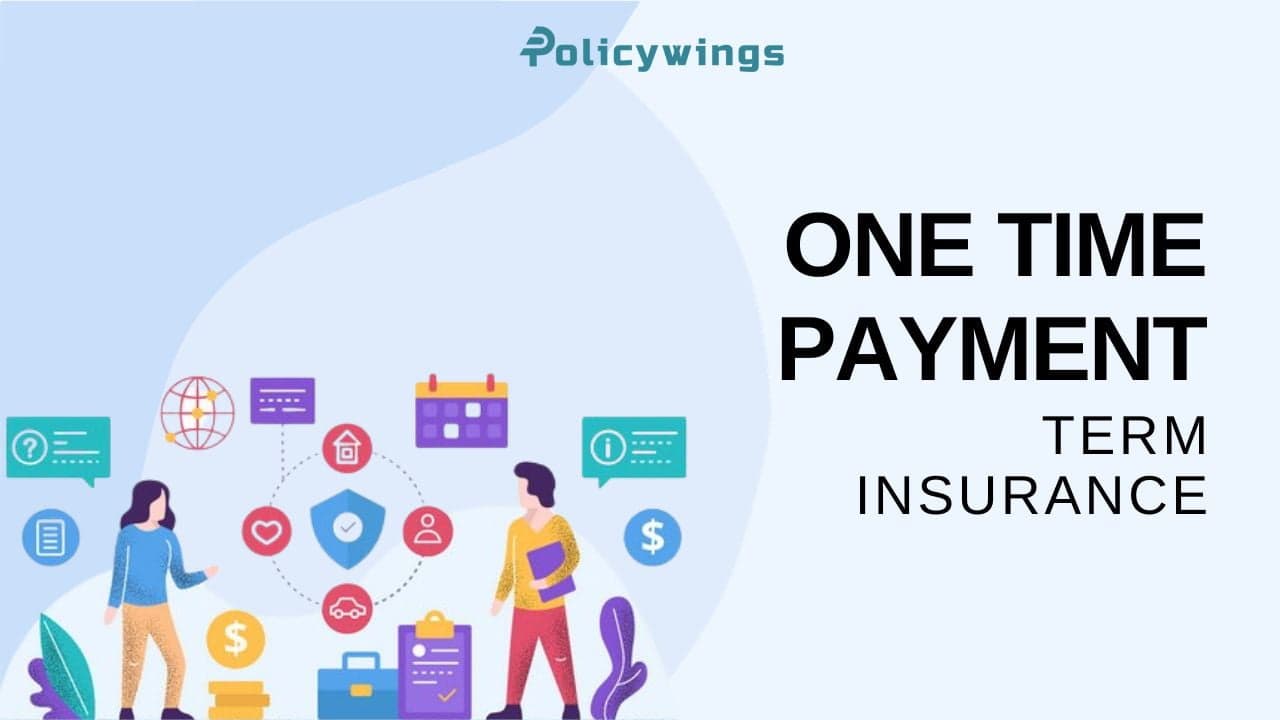
A Detailed Guide to One-Time Payment Term Insurance For 2024
A Detailed Guide to One-Time Payment Term Insurance For 2024
Table of Contents
- A Detailed Guide to One-Time Payment Term Insurance For 2024
- What Is One-Time Payment Term Insurance?
- How Does It Work?
- The Significance of One-Time Payment Term Insurance
- Immediate and Complete Coverage
- Simplicity and Convenience
- Liquidity Preservation
- Estate Planning
- Investment Potential
- Advantages of One-Time Payment Term Insurance
- 1. Immediate Coverage
- 2. No Ongoing Premiums
- 3. Estate Planning Benefits
- 4. Investment Potential
- 5. Flexibility
- Considerations When Opting for One-Time Payment Term Insurance
- 1. Initial Premium Cost
- 2. Policy Term
- 3. Investment Component
- 4. Coverage Amount
- 5. Health and Lifestyle Factors
- Conclusion
- Related Posts
- FAQs
A Detailed Guide to One-Time Payment Term Insurance For 2024
- November 4, 2023
Life is full of uncertainties, and ensuring the financial security of your loved ones is a top priority. One-Time Payment Term Insurance, often referred to as “Single Premium Term Insurance,” is an insurance product designed to offer comprehensive protection with a single upfront payment. In this comprehensive guide, we will explore the world of One-Time Payment Term Insurance, its significance, advantages, considerations, and why it can be an excellent financial safeguard for you and your family.
What Is One-Time Payment Term Insurance?
One-Time Payment Term Insurance is a type of life insurance policy that provides a death benefit to your beneficiaries if you pass away during the policy’s term. What sets it apart from traditional term insurance is that instead of paying regular premiums throughout the policy term, you make a single lump-sum payment at the outset. This means that your coverage is secured from day one without the need for ongoing premium payments.
{ "@context": "http://schema.org", "@type": "VideoObject", "name": "Term Insurance - Full and final guide | Term plan - Best term insurance plan | जीवन बीमा", "description": "#terminsurance #insurance Term Insurance - https://bit.ly/3dxHGxJ Health Insurance - https://bit.ly/3pl0kvq Term Insurance - Full and final guide | Term plan - Best term insurance plan | जीवन बीमा In this video we discussed everything about term insurance. What is term insurance? How to choose best term insurance? Mistakes done in term insurance plan? Why claim get rejected in term insurance? Connect with us- Telegram Channel - https://t.me/investaajforkal Youtube - https://www.youtube.com/c/InvestAajForKal Facebook- https://www.facebook.com/Invest-Aaj-For-Kal-1133791340127761/ Instagram- https://www.instagram.com/anantladha1234 Twitter - https://twitter.com/anantladha25?s=09 Disclaimer - This is our personal view and mutual funds and equity investments are subject to market risk. Please read all offer documents before investing. This video is only for education purpose. Please consult your adviser before investing. This video is only to give information and only for education purpose.", "thumbnailUrl": "https://i.ytimg.com/vi/omQ4DtDR7Ag/default.jpg", "uploadDate": "2023-08-09T14:30:16Z", "duration": "PT13M20S", "embedUrl": "https://www.youtube.com/embed/omQ4DtDR7Ag", "interactionCount": "164843" }
How Does It Work?
The mechanics of One-Time Payment Term Insurance are relatively straightforward. You pay a single, substantial premium amount to the insurance company, which then provides you with coverage for a predetermined term, typically ranging from 10 to 30 years. If you pass away during this term, your beneficiaries receive the death benefit, which is often a tax-free lump sum. However, if you outlive the policy term, there is no payout, and the policy expires.
The Significance of One-Time Payment Term Insurance
One-Time Payment Term Insurance holds immense significance for various reasons:
Immediate and Complete Coverage
The most notable advantage of this insurance type is the immediate and complete coverage it provides. With a single premium payment, you ensure that your loved ones are financially protected right from the start of the policy. There’s no need to worry about missed premium payments or policy lapses.
Simplicity and Convenience
One-Time Payment Term Insurance is known for its simplicity and convenience. You make a single payment, and your insurance coverage is in effect. This can be particularly appealing if you prefer a hassle-free approach to managing your insurance.
Liquidity Preservation
By opting for a single premium payment, you can preserve your liquidity and maintain control over your financial resources. This can be advantageous if you have a lump sum of money available but don’t want to tie it up in regular premium payments.
Estate Planning
For estate planning purposes, One-Time Payment Term Insurance can be a valuable tool. The death benefit can help cover estate taxes and ensure that your heirs receive their inheritance intact.
Investment Potential
Some One-Time Payment Term Insurance policies offer cash value or investment components. This means that your lump-sum premium payment can potentially grow over time, providing a source of savings or investment return in addition to the death benefit.
Advantages of One-Time Payment Term Insurance
1. Immediate Coverage
With a single premium payment, you secure immediate coverage, providing peace of mind for you and your loved ones.
2. No Ongoing Premiums
Unlike traditional term insurance, there are no ongoing premium payments, making it easier to manage your finances.
3. Estate Planning Benefits
One-Time Payment Term Insurance can be a valuable tool for estate planning, helping to cover estate taxes and ensure the smooth transfer of assets to heirs.
4. Investment Potential
Some policies offer the opportunity for your premium to grow over time, potentially providing additional financial benefits.
5. Flexibility
These policies often offer flexibility in terms of coverage duration, allowing you to choose a term that aligns with your specific needs and goals.
Considerations When Opting for One-Time Payment Term Insurance
While One-Time Payment Term Insurance offers numerous advantages, several considerations are crucial when deciding if it’s the right choice for you:
1. Initial Premium Cost
The single premium payment can be substantial. It’s essential to evaluate your budget and financial circumstances to ensure you can comfortably make this payment.
2. Policy Term
Select a policy term that aligns with your needs and goals. Consider factors such as the age of your dependents, outstanding debts, and future financial obligations.
3. Investment Component
If your policy includes an investment component, be aware of how it works and the potential returns it offers. Understand the associated risks and benefits.
4. Coverage Amount
Determine the appropriate coverage amount that adequately addresses your family’s financial requirements, including debts, living expenses, and future needs.
5. Health and Lifestyle Factors
As with any life insurance policy, your health and lifestyle can impact your eligibility and premium rates. Be prepared for medical underwriting and disclosure of relevant information.
Conclusion
One-Time Payment Term Insurance offers immediate and complete coverage, simplifying the process of protecting your loved ones financially. With a single premium payment, you can enjoy the advantages of hassle-free insurance, liquidity preservation, and investment potential. However, it’s essential to carefully evaluate your financial situation, policy terms, and coverage needs to make an informed decision. One-Time Payment Term Insurance can be a valuable tool for estate planning.
Related Posts
How to Compare Different Health Insurance Plans Online?
How BMI Affects Health Insurance Premium
Travel Insurance: Valuable Investment for Travellers
FAQs
Who Should Consider One-Time Payment Term Insurance?
One-Time Payment Term Insurance is suitable for individuals with a lump sum of money available who want immediate and complete coverage without the hassle of ongoing premium payments.
What Is the Ideal Policy Term for One-Time Payment Term Insurance?
The ideal term depends on your specific financial goals and obligations. Consider your family’s needs, outstanding debts, and future expenses when choosing a term.
Can I Add Riders to One-Time Payment Term Insurance?
Some insurance providers offer riders that can be added to enhance your policy. Common riders include critical illness coverage and accidental death benefits.
Are There Tax Benefits to One-Time Payment Term Insurance?
In many cases, the death benefit from One-Time Payment Term Insurance is tax-free. However, tax laws can vary, so it’s advisable to consult with a financial advisor.
What Happens if I Outlive the Policy Term?
If you outlive the policy term, there is no payout, and the policy typically expires. You will need to consider your long-term financial needs when choosing the term.
{"@context":"https:\/\/schema.org","@type":"FAQPage","mainEntity":[{"@type":"Question","name":"Who Should Consider One-Time Payment Term Insurance?","acceptedAnswer":{"@type":"Answer","text":"
<span style=\"font-weight: 400;\">One-Time Payment Term Insurance is suitable for individuals with a lump sum of money available who want immediate and complete coverage without the hassle of ongoing premium payments.<\/span><\/p>"}},{"@type":"Question","name":"What Is the Ideal Policy Term for One-Time Payment Term Insurance?","acceptedAnswer":{"@type":"Answer","text":"
<span style=\"font-weight: 400;\">The ideal term depends on your specific financial goals and obligations. Consider your family’s needs, outstanding debts, and future expenses when choosing a term.<\/span><\/p>"}},{"@type":"Question","name":"Can I Add Riders to One-Time Payment Term Insurance?","acceptedAnswer":{"@type":"Answer","text":"
<span style=\"font-weight: 400;\">Some insurance providers offer riders that can be added to enhance your policy. Common riders include critical illness coverage and accidental death benefits.<\/span><\/p>"}},{"@type":"Question","name":"Are There Tax Benefits to One-Time Payment Term Insurance?","acceptedAnswer":{"@type":"Answer","text":"
<span style=\"font-weight: 400;\">In many cases, the death benefit from One-Time Payment Term Insurance is tax-free. However, tax laws can vary, so it’s advisable to consult with a financial advisor.<\/span><\/p>"}},{"@type":"Question","name":"What Happens if I Outlive the Policy Term?","acceptedAnswer":{"@type":"Answer","text":"
<span style=\"font-weight: 400;\">If you outlive the policy term, there is no payout, and the policy typically expires. You will need to consider your long-term financial needs when choosing the term.<\/span><\/p>"}}]}