+91-98111-67809
Top 5 Mistakes to Avoid When Buying Online Insurance for Your Car
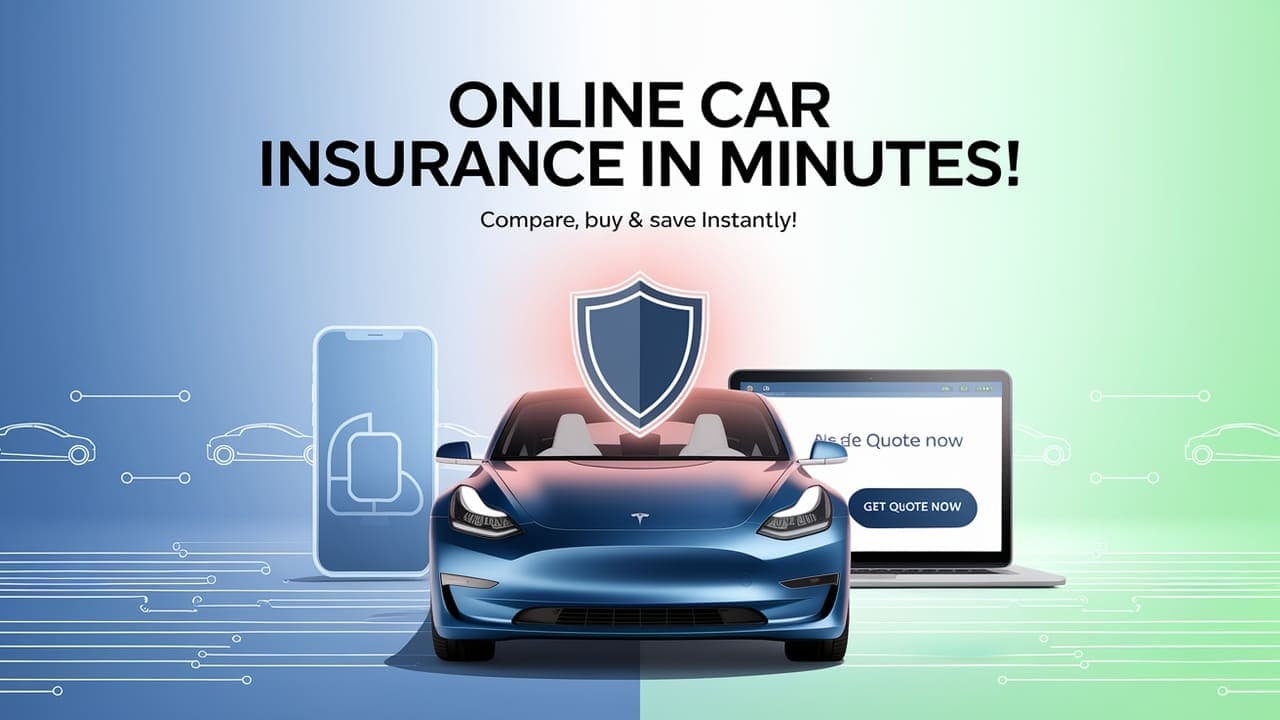
Let’s be real—online insurance is easy but easy doesn’t always mean right. We have all done it. We hop online, look at a few car insurance options and before we know it—we are clicking “Buy Now” and patting ourselves on the back. No agent calls. No awkward questions. Just done. Feels efficient, right?
Table of Contents
- 1. Skipping the Fine Print and Assuming Coverage is “Standard”
- 2. Going for the Cheapest Policy Without Comparing the Features
- 3. Not Checking the Insurer’s Claim Settlement Ratio
- 4. Not Customizing the Policy Based on Our Lifestyle
- 5. Trusting Just One Platform or Website
- Wrapping It Up
But here’s where we need to pause. Because while buying car insurance online feels quick and convenient, it can also go wrong—really wrong—if we do not slow down and pay attention. We are talking about the kind of mistakes that could leave us without coverage after an accident or battling to get a claim approved.
We are not trying to scare ourselves, but we are trying to be honest. We have seen people lose lakhs just because they did not check one clause or chose the cheapest option thinking they would never need the extras. Let’s make sure we are not one of them. Here are the top 5 mistakes we need to watch out for—and what we should do instead.
1. Skipping the Fine Print and Assuming Coverage is “Standard”
Let’s face it—we have all skimmed through long policy documents thinking, “This is just legal stuff, all policies are pretty much the same.” But they are not. Not even close.
When we do not read the fine print, we are basically agreeing to terms we do not understand. That’s how we miss out on crucial features like:
- Zero Depreciation Cover – which ensures we get full claim value without deductions.
- Consumables Cover – so we are not paying out-of-pocket for nuts, bolts or engine oil during repairs.
- Roadside Assistance – because who wants to be stranded at 11 PM with a flat tire?
Reading through the coverage is not just smart—it’s necessary. It tells us what we are paying for, what we are covered for and what gaps we need to fill before it’s too late.
2. Going for the Cheapest Policy Without Comparing the Features
We have all had that moment—we are comparing car insurance quotes and one option is a few hundred rupees cheaper. Tempting, right? But if we only chase the lowest price, we might end up with bare-bones protection.
Let’s say we choose the cheapest policy but skip out on:
- Engine Protection – critical during heavy rains or waterlogging.
- Return to Invoice Cover – so we get the full value of the car if it’s stolen or totalled.
- NCB Protection – which saves our No Claim Bonus even if we make a claim.
That small saving can cost us big during a claim. We have got to look at the whole picture—what does this policy actually offer us when something goes wrong?
We are are not saying spend blindly. We are saying spend smart. Choose policies that are rich in features, not just light on the wallet.
3. Not Checking the Insurer’s Claim Settlement Ratio
This one’s a major red flag. It does not matter how fancy the website is or how low the premium goes—if the insurance company has a poor Claim Settlement Ratio (CSR), we are taking a huge risk.
CSR tells us how reliable the company is when it comes to settling claims. If a company has a 95%+ CSR, it means they settle most claims without unnecessary delays or rejections. But if that number is under 85%, we should really ask ourselves: Will they support us when we need them the most?
Also, let’s not forget about cashless garages. If our insurer does not have a strong network of cashless garages, we will be paying upfront and running around for reimbursements later. It’s a hassle we do not want.
Before we click “Buy,” let’s check the CSR, read real customer reviews and look into how easy their claim process really is.
4. Not Customizing the Policy Based on Our Lifestyle
Here’s a mistake we rarely talk about—but it’s so common. We pick a policy that sounds “complete” but we don’t think about how it fits into our life. Each of us has different needs and our policy should reflect that.
If we live in a flood-prone city, engine protection isn’t optional—it’s essential.
If we drive a brand new car, return to invoice and zero depreciation are a must.
If we travel long distances often, roadside assistance is non-negotiable.
We have got to ask: What kind of coverage do we actually need based on how and where we drive? The best policies let us add and remove features. So let’s take advantage of that and build something that protects us—not just something that checks a box.
5. Trusting Just One Platform or Website
We love comparison websites—they ate fast and they give us options. But if we rely only on those platforms, we might be missing out on better deals or more comprehensive coverage.
Many aggregators show only selected insurance companies—usually the ones paying for placement. That means we might never even see a great policy from a smaller but reliable insurer.
We need to go beyond the first page. Let’s check the insurer’s own site. Look up forums, read real user reviews and even try calling their customer care once—just to see how responsive they are.
Also, insurers often have exclusive online discounts or loyalty offers on their websites. We could end up saving more or getting extra features by doing that little bit of digging. Let’s not leave money or protection on the table just because we rushed.
Wrapping It Up
Buying car insurance online gives us power—it’s fast, flexible and convenient. But with that power comes the responsibility to choose wisely. We can not just chase low prices or assume all policies are created equal. We have got to be the smart buyer—the one who knows exactly what’s included, what’s excluded and what we are paying for.
So next time we are on that comparison site or insurer page, let’s:
- Read the full list of features
- Check the claim ratio and reviews
- Think about our own needs
- Customize the policy
- And compare beyond just one site
Because when we do that, we are not just buying a piece of paper—we are buying peace of mind. And that, honestly, is worth everything.
Have we made any of these mistakes before? Probably. But now, we know better. And when we know better, we do better.
Let’s drive safe, stay covered, and click smart.