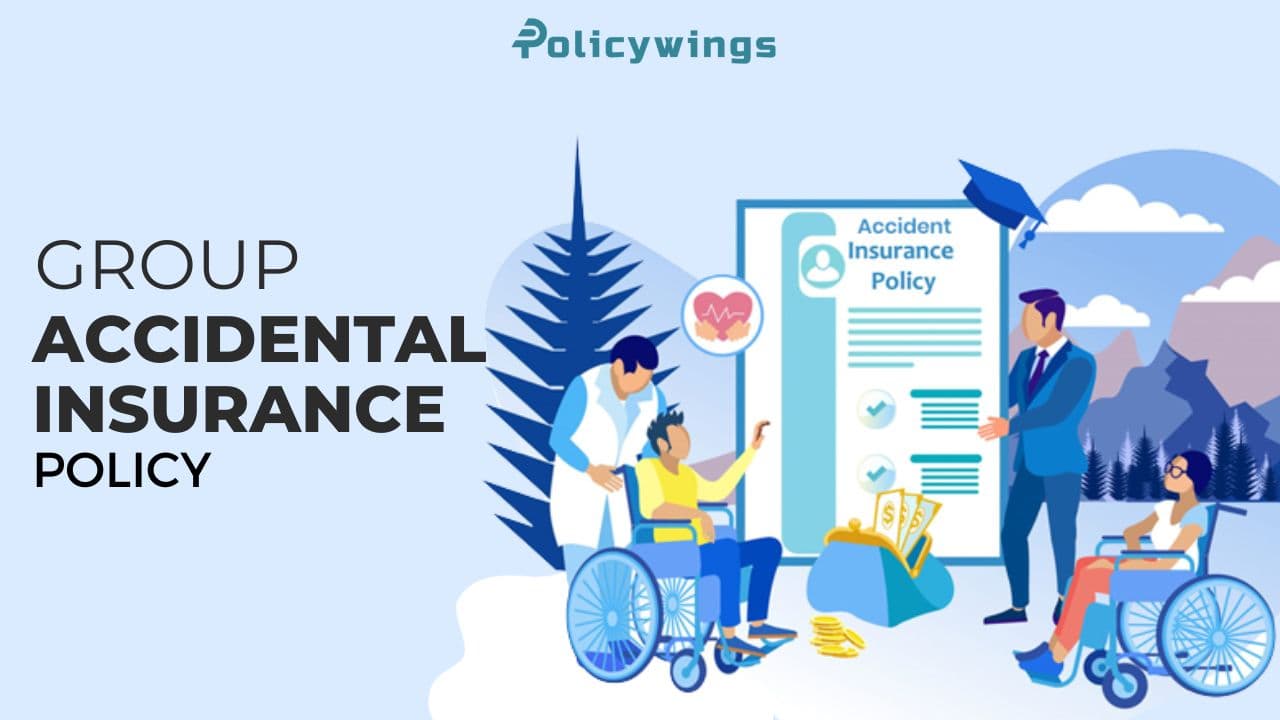
Group Accidental Insurance Explained: A Collective Safety Net
By Sagar Narang
Group Accidental Insurance Explained: A Collective Safety Net

Homepage  > Articles >

Group Accidental Insurance Explained: A Collective Safety Net

Table of Contents

Toggle

Group Accidental Insurance Explained: A Collective Safety Net

By Sagar Narang
Group Accidental Insurance Explained: A Collective Safety Net
  • October 26, 2023

Accidents can happen at any time and to anyone. They often strike without warning, leaving individuals and their families grappling with physical, emotional, and financial burdens. While nobody can predict when an accident will occur, one can certainly prepare for it. 

Group Accidental Insurance Policies are a powerful tool that not only offers financial protection but also provides peace of mind to a collective entity, whether it’s a company, an organization, or a group of people with a common interest. In this article, we will delve into the world of Group Accidental Insurance Policies, exploring what they are, why they are important, and how they can benefit various groups.

Understanding Group Accidental Insurance

Group Accidental Insurance is a specialized type of insurance designed to provide coverage for accidental injuries and their associated expenses. Unlike traditional health insurance, which typically covers illnesses and non-accidental injuries, accidental insurance focuses specifically on events that occur suddenly and unintentionally. These events may include slip-and-fall accidents, car crashes, sports injuries, and a wide range of other unforeseen incidents.

Group Accidental Insurance can be offered to various groups, including employees of a company, members of an organization, or participants in a sports club. It is often provided as a benefit or perk, making it an attractive addition to any group’s offering. The key feature of this insurance is that it pays out a lump sum or a predetermined amount to the insured or their beneficiaries in the event of an accident, regardless of whether the insured has other forms of insurance.

{ "@context": "http://schema.org", "@type": "VideoObject", "name": "Personal Accident Insurance Details with REAL LIFE EXAMPLE 😱 Client's Experience Included HINDI", "description": "ENGLISH SUBTITLES INCLUDED IN THE VIDEO A personal accident policy is a type of insurance policy that offers you protection against death or disability caused due to an accident. In case of death due to an accident, the policy pays out a lump sum amount to the nominee of the policyholder. In this video , we have discussed what all situations are covered in Personal Accident Policy & what are not covered. We have also given a Real Life Example of our client who met with an accident and was on a bed rest for 3.5 months. But , thankfully he had his Personal Accident policy. He was given a weekly benefit to cover his loss of income. ✅ To buy insurance policies, click here - https://hareepatti.com/contact-us/ VIDEOS MENTIONED :- - Max Bupa Personal Accident Plan Details : https://youtu.be/wCM1gcXrDwM - HDFC ERGO My : Health Koti Suraksha : https://youtu.be/tzPImd2oo2k ✅ Do SUBSCRIBE to our Youtube Channel for more such informative videos. -------------------------------------------------------------------------------------------- For any queries: 👩🏻‍🎤 WhatsApp/Call: 9650706699 💌 Mail us at: info@hareepatti.com -------------------------------------------------------------------------------------------- Watch our Other videos :- - HDFC ERGO Optima Restore Details : https://youtu.be/GqVG3HdMjP4 - HDFC ERGO Energy Plan Details : https://youtu.be/W9MKhaaGDyo - HDFC ERGO Energy Plan Details : https://youtu.be/W9MKhaaGDyo - HDFC ERGO Optima Secure VS Optima Restore : https://youtu.be/2DxKv_7qG_k - Max Bupa Reassure Review: https://youtu.be/MHylzt9bR8Y​​​​​​ - ICICI Lombard Smart Super Health Insurance Details : https://youtu.be/T2pQWwIuQfk - ICICI Lombard Health AdvantEDGE Details : https://youtu.be/TFlklRl9NoE - ICICI Lombard Criti Shield Plus Plan : https://youtu.be/Dor-TfkJJsM - Max Bupa Health Companion Plan - https://youtu.be/8Vis1Qt7cD​​​​ - Max Bupa Health Companion VS Health Pulse Enhanced+ : https://youtu.be/7itZyZetoKs​ -------------------------------------------------------------------------------------------- You can also reach out to us on our Social Media: 📸 Instagram: https://www.instagram.com/gurleentikku/ https://www.instagram.com/hareepatti/ 🎬 Facebook: https://www.facebook.com/HareePatti 👩🏼‍🏫 LinkedIn: https://www.linkedin.com/in/gurleenkaur/ 🐦 Twitter: https://twitter.com/gurleen011 ✍🏻 Website: https://hareepatti.com Do SUBSCRIBE to our channel for more such informative videos: https://www.youtube.com/channel/UCSGTyCSQ50UUs1WkhfVbTZw -------------------------------------------------------------------------------------------- finance , health insurance , health insurance 2022 , personal accident insurance , personal accidental policy , personal accident insurance details , personal accident insurance facts , things to know about personal accident policy , personal accident policy 2022 , personal accident cover , not covered in personal accidental policy , hdfc ergo koti suraksha plan , max bupa personal accidental plan , personal accident insurance in hindi , personal accident insurance example , client's story of personal accident insurance , weekly benefits , real life example of personal accident policy , gurleen kaur tikku, insurance agent , financial planning , hareepatti #personalaccidentinsurance #personalaccidentalpolicy #personalaccident2022 #personalaccidentplan #healthinsurance2022 #healthinsurance #weeklybenefits #personalaccidentinsurance2022 #gurleenkaurtikku #healthinsuranceagent #hareepatti -------------------------------------------------------------------------------------------- Disclaimer : Information presented in this video is for educational purpose only. It may not necessarily be taken as financial, legal or any other type of advice. It is not as per individual needs, objectives or financial situation of any particular person.The video is based on 15 years of experience of Financial industry. It is based on researches from various books, internet etc and may include opinions of one or more persons who may or may not be the part of Hareepatti. Gurleen Kaur Tikku or any other team member of Hareepatti will not hold be held responsible as this is not to be considered as personal finance advise.The video does not mean to hurt anyone’s sentiments or spread rumours of any sorts.Viewers should do their own due diligence before taking any action based on the video. Viewers discretion is advised.", "thumbnailUrl": "https://i.ytimg.com/vi/F7_0qt8O4_Q/default.jpg", "uploadDate": "2022-01-29T13:42:06Z", "duration": "PT10M35S", "embedUrl": "https://www.youtube.com/embed/F7_0qt8O4_Q", "interactionCount": "30484" }

Why Group Accidental Insurance Matters

Financial Protection: Accidents can result in significant medical bills, rehabilitation costs, and even loss of income due to temporary or permanent disabilities. Group Accidental Insurance provides a financial safety net for members of a group, helping them cover these unexpected expenses. This can alleviate the financial burden that individuals and their families might face after an accident.

Peace of Mind: Knowing that you are covered by a Group Accidental Insurance Policy can provide peace of mind. It allows individuals to focus on their recovery rather than worrying about the financial repercussions of an accident. For organizations, offering this insurance demonstrates a commitment to the well-being of their members or employees, enhancing morale and loyalty.

Affordability: Group Accidental Insurance is often more affordable than individual policies. By pooling the risk of accidents among a larger group, insurers can offer competitive rates. This affordability makes it accessible to a wide range of organizations and their members, regardless of their financial status.

Simplicity and Convenience: Managing individual insurance policies can be cumbersome. Group Accidental Insurance simplifies the process by providing coverage to all eligible members of the group under a single policy. This streamlines administration and reduces paperwork for both the insured and the organization offering the coverage.

Who Can Benefit from Group Accidental Insurance?

Group Accidental Insurance can be tailored to meet the specific needs of various groups. Here are some examples of who can benefit from this type of insurance:

Companies and Employees: Employers can offer Group Accidental Insurance to their workforce as part of their benefits package. This not only attracts and retains talent but also ensures that employees are taken care of in case of work-related accidents or accidents that occur outside of the workplace.

Sports Clubs and Athletes: Sports clubs and associations can provide Group Accidental Insurance to their members, including athletes and coaches. In the world of sports, injuries are common, and having insurance coverage can be a game-changer for athletes pursuing their passions.

Nonprofit Organizations: Nonprofits often rely on dedicated volunteers to carry out their missions. Group Accidental Insurance can be a way to show appreciation and support for these volunteers, providing them with a safety net while they donate their time and effort to a worthy cause.

Social Clubs and Community Organizations: Groups with a common interest, such as social clubs, hobbyist organizations, or community groups, can benefit from Group Accidental Insurance. It enhances the sense of community by taking care of members’ well-being.

Educational Institutions: Schools and colleges can offer Group Accidental Insurance to students, ensuring that they are protected while pursuing their education. This can be especially valuable for students engaged in extracurricular activities or sports.

Key Features of Group Accidental Insurance

Group Accidental Insurance policies can vary in terms of coverage and benefits, but they typically include the following key features:

Accidental Death Benefit: In the unfortunate event of an insured member’s death due to an accident, the policy pays out a lump sum to their beneficiaries. This provides financial support to the deceased member’s family during a difficult time.

Accidental Disability Benefit: If an insured member becomes disabled as a result of an accident and is unable to work, the policy can provide a disability benefit. This helps cover ongoing living expenses and medical costs.

Accidental Medical Expense Benefit: Group Accidental Insurance often includes coverage for medical expenses incurred due to an accident. This can encompass hospitalization, surgery, rehabilitation, and other necessary treatments.

Accidental Dismemberment Benefit: In the event of the loss of a limb or a specific bodily function resulting from an accident, the policy may pay a benefit to the insured member. This benefit can assist with adaptive equipment or modifications to the insured’s living space.

Additional Riders: Many insurers offer optional riders that can be added to Group Accidental Insurance policies. These riders can provide extra coverage for specific types of accidents, such as accidents that occur during travel or while participating in hazardous activities.

How to Choose the Right Group Accidental Insurance Policy

Selecting the right Group Accidental Insurance policy requires careful consideration. Here are some factors to keep in mind:

Coverage Options: Review the coverage options offered by different insurers. Ensure that the policy aligns with the needs and preferences of the group. Consider factors such as benefit amounts, exclusions, and any optional riders that may be relevant.

Cost and Premiums: Compare premium rates among different insurers. While affordability is important, it’s also essential to balance cost with the level of coverage provided. Look for competitive rates that suit the group’s budget.

Claim Process: Understand the claims process of the insurer. A smooth and straightforward claims process can make a significant difference when the need arises to file a claim.

Provider Reputation: Research the reputation of the insurance provider. Look for customer reviews and ratings to gauge the company’s reliability and customer service quality.

Customization Options: Some insurers offer the flexibility to customize Group Accidental Insurance policies to better suit the group’s unique needs. Explore these customization options to tailor the coverage accordingly.

Wrapping Up

Group Accidental Insurance Policies play a crucial role in safeguarding the well-being of various groups, from employees in the corporate world to members of sports clubs and community organizations. These policies offer financial protection, peace of mind, affordability, and convenience, making them a valuable asset to any group. By carefully selecting the right policy and coverage, organizations and individuals can ensure that they are prepared for the unexpected, allowing them to focus on what matters most: their collective peace of mind.

Related Posts

Travel Insurance: Valuable Investment for Travellers

Insurance an Overview

How BMI Affects Health Insurance Premium

FAQs

What is Group Accidental Insurance?

Group Accidental Insurance is a specialized insurance policy that provides coverage for accidental injuries and their associated expenses. It is typically offered to a group of people, such as employees, club members, or volunteers.

How does Group Accidental Insurance differ from regular health insurance?

Group Accidental Insurance focuses exclusively on accidents, while regular health insurance covers illnesses and non-accidental injuries. Group Accidental Insurance provides financial support for medical bills and related costs resulting from accidents.

Who can benefit from Group Accidental Insurance?

Various groups can benefit, including employees of a company, members of sports clubs, nonprofit organizations, social clubs, and students in educational institutions. Essentially, any group interested in providing financial protection to its members in case of accidents can benefit.

What does Group Accidental Insurance typically cover?

Group Accidental Insurance policies often cover accidental death, accidental disability, accidental medical expenses, and accidental dismemberment. Some policies may also offer additional riders for specific accident scenarios.

How does the claims process work for Group Accidental Insurance?

To make a claim, the insured or their beneficiaries typically need to contact the insurance provider, provide necessary documentation, and follow the insurer’s guidelines. The claims process may vary from one insurer to another, so it’s essential to understand the specific steps involved.

Is Group Accidental Insurance affordable?

Yes, Group Accidental Insurance is generally more affordable than individual policies because the risk is spread across a larger group. This affordability makes it accessible to a wide range of organizations and their members.

{"@context":"https:\/\/schema.org","@type":"FAQPage","mainEntity":[{"@type":"Question","name":"What is Group Accidental Insurance?","acceptedAnswer":{"@type":"Answer","text":"

<span style=\"font-weight: 400;\">Group Accidental Insurance is a specialized insurance policy that provides coverage for accidental injuries and their associated expenses. It is typically offered to a group of people, such as employees, club members, or volunteers.<\/span><\/p>"}},{"@type":"Question","name":"How does Group Accidental Insurance differ from regular health insurance?","acceptedAnswer":{"@type":"Answer","text":"

<span style=\"font-weight: 400;\">Group Accidental Insurance focuses exclusively on accidents, while regular health insurance covers illnesses and non-accidental injuries. Group Accidental Insurance provides financial support for medical bills and related costs resulting from accidents.<\/span><\/p>"}},{"@type":"Question","name":"Who can benefit from Group Accidental Insurance?","acceptedAnswer":{"@type":"Answer","text":"

<span style=\"font-weight: 400;\">Various groups can benefit, including employees of a company, members of sports clubs, nonprofit organizations, social clubs, and students in educational institutions. Essentially, any group interested in providing financial protection to its members in case of accidents can benefit.<\/span><\/p>"}},{"@type":"Question","name":"What does Group Accidental Insurance typically cover?","acceptedAnswer":{"@type":"Answer","text":"

<span style=\"font-weight: 400;\">Group Accidental Insurance policies often cover accidental death, accidental disability, accidental medical expenses, and accidental dismemberment. Some policies may also offer additional riders for specific accident scenarios.<\/span><\/p>"}},{"@type":"Question","name":"How does the claims process work for Group Accidental Insurance?","acceptedAnswer":{"@type":"Answer","text":"

<span style=\"font-weight: 400;\">To make a claim, the insured or their beneficiaries typically need to contact the insurance provider, provide necessary documentation, and follow the insurer’s guidelines. The claims process may vary from one insurer to another, so it’s essential to understand the specific steps involved.<\/span><\/p>"}},{"@type":"Question","name":"Is Group Accidental Insurance affordable?","acceptedAnswer":{"@type":"Answer","text":"

<span style=\"font-weight: 400;\">Yes, Group Accidental Insurance is generally more affordable than individual policies because the risk is spread across a larger group. This affordability makes it accessible to a wide range of organizations and their members.<\/span><\/p>"}}]}


Share this article:

More on Health Insurance

Hand-picked reads on health insurance to help you decide with confidence.

How Can the Best Health Cover Be Chosen for Senior Citizens?Health Insurance

How Can the Best Health Cover Be Chosen for Senior Citizens?

Introduction As we age, we start taking our health more seriously. But with rising medical costs, we can&#8217;t rely only on savings or family support. Health insurance is important for adults and super essential for senior citizens. The right policy covers you in medical emergencies without draining retirement funds. Choosing from so many health insurance plans available in the market can be so overwhelming. The best health insurance policy for seniors will always be the one that lets them access quality healthcare without financial worries. Choosing insurance for senior citizens is not the same as for younger people because their health needs and risks are very different. Here we will discuss what to look for, how to compare the various options and how to choose the right cover. Why Senior Citizens Need Special Health Insurance Regular health insurance plans are often not suitable for older adults. The reason is simple. With increasing age, there&#8217;s a rise in medical needs, doctor visits and chances of hospitalizations. Most definitely, the policies designed for younger people don&#8217;t offer the coverage that seniors really need. Here are the reasons that make senior citizen health insurance so crucial: Higher medical risks– Older adults are obviously more prone to illnesses. Heart disease, diabetes or joint problems are common. Rising treatment costs– With every passing year, the cost of hospital stays, surgeries and medicines is going up. Limited income after retirement– Most seniors depend on their pensions or savings. This may just not be enough to cover sudden expenses. Peace of mind– Having a health insurance means the financial load is off from your pocket and emergencies can be handled. Features of a Good Senior Citizen Health Insurance When you’re looking for the best health insurance policy for seniors, take a little time to decide but don’t jump on the first policy you see. After all, you must carefully compare the options and look for these key features: Higher Sum Insured You can never expect the medical bills and so, the higher the sum insured, the better. It&#8217;s generally recommended to go with plans that offer at least ₹5–10 lakhs cover for insurance for senior citizens. Pre-Existing Disease Cover Most seniors already have certain health conditions like diabetes, high BP, or arthritis when they are looking for a plan. A good policy should start covering these after a short waiting period. Shorter Waiting Periods Some policies actually make you wait for about 3–4 years before covering pre-existing conditions. Always look for policies that start providing cover in 1–2 years. Cashless Hospitalization An insurer with a wide network of hospitals will make hospital stays easy. You will get cashless treatment and don&#8217;t have to worry about arranging money on the spot. Daycare Procedures With science being so progressed, modern treatments don’t require long hospital stays. Hence, daycare procedures should be a part of the best health insurance policy for seniors. Ambulance & Home Care Cover Getting extra benefits like coverage for ambulance charges and home treatment can be such a huge help during emergencies. Affordable Premiums with Value Honestly, plans with the lowest premiums are not always the best. Try to balance the cost with the benefits and coverage you get and the insurer&#8217;s claim settlement record. Factors to Consider Before Buying Health Insurance for Seniors Reading brochures is not enough while choosing the right health insurance plans. You also need to consider some points while making a purchase: Age Limit of the Plan Some policies only accept people up to 65 years of age. If you&#8217;re older, look for senior citizen health insurance that caters to even above 70 or 75 years. Co-Payment Clause In many policies, seniors are asked for co-payment (sharing a part of the bill). For example, if co-payment is 20% and the bill is ₹1,00,000, then the individual will pay ₹20,000. Hence, look for a lower co-payment. Renewal Age The policy should offer lifetime renewability, which means that the cover should continue smoothly even at a very old age. Coverage for Critical Illnesses Many old people fight with heart conditions, kidney failure and even cancer. The best health insurance policy for seniors is the one that covers critical illness. Claim Settlement Ratio The claim settlement record of the insurer tells a lot about its reliability. A higher ratio means there will always be better chances of your claim getting approved quickly. How to Compare Senior Citizen Health Insurance Plans When comparing senior citizen health insurance, we mostly focused on premiums and coverage but actually, we must look at a few more things. Here&#8217;s a checklist you must refer to: The premium vs the benefits you get Waiting periods for covering existing illness Hospital network size Percentage of co-payment Extra benefits (like ambulance, home care and alternative treatments) You can make a simple comparison table with a few policies so you can know which one gives the most value. Common Mistakes to Avoid While Buying Insurance for Seniors Going only for the cheapest plan– The biggest mistake! Remember that low premiums may also mean there are chances of high co-payment % or exclusions. Not checking exclusions– Common illnesses like cataracts or knee replacements for seniors are also excluded by some plans. Ignoring the waiting period– If the senior person is already having a condition, a waiting period of around 4 years might be too long. Skipping lifetime renewability– Some policies stop their benefits at a certain age and so, seniors are left uninsured later. Not reviewing the hospital network– the nearest hospital should also be covered, else you won&#8217;t get cashless treatment. Tips for Getting the Best Health Insurance Policy for Seniors Start early– Naturally, the earlier you buy a plan, the lower the premiums you have to pay. Waiting till 70+ is not a good idea. Choose family floater carefully– If your parents are very old, it&#8217;s better to take an individual insurance for senior citizens instead of a floater. Read the fine print– Before signing, go through all the

Written bySagar NarangPublished onSeptember 16, 2025
Is Group Personal Accident Insurance Worth It for Employees in India?Personal Accident

Is Group Personal Accident Insurance Worth It for Employees in India?

Introduction Group personal accident insurance India has become increasingly essential for employers wanting to protect their workforce against unforeseen incidents as there is a high chance of evolving risks and on site injuries where insurance has gained attention as a helpful inclusion in employee benefit packages across organizations of all sizes. Group Personal Accident Insurance Group personal accident insurance (GPAI) is a policy that covers employees altogether against accidental death, permanent disablement and temporary disablement (in many cases). Customised for a group like company staff or association members where this insurance offers financial protection when there is an unpredictable accident. In India where workplace and travel related incidents are common, GPAI provides crucial coverage to lower economic fallout. Significance of Group Coverage for Employers Cost Effective Premiums: Group schemes influence economies of scale which is better than individual accident plans. Insurers usually offer lower per person premiums under group arrangements which makes it inexpensive for employers while increasing employee security. Simplified Administration: Holding on to a single insurance policy instead of numerous individual ones simplifies HR operations. PolicyWings clients can appreciate how group personal accident insurance decreases paperwork, eases onboarding and makes claims processing quick because of systemised coordination. Moral and Competitive Corner: In a competitive job market offering accident insurance shows that an employer values employee well being. This not only increases morale but also enforces retention and attracts talent by differentiating compensation packages. Benefits of Group Coverage for Employees Financial Security after an Accident: If an unfortunate accident results in permanent disability or death then the lump sum compensation eases financial load on families. Access to Interim Income Support: Some policies include temporary total or partial disablement cover which provides income in case of an employee being incapacitated for a period. This type of benefit maintains employees and their families during recovery. Quick Claim Processes: Group policies usually have standardized claim mechanisms which are managed at the employer level which allows employees to file claims easily without navigating complicated individual procedures. What Employers Should Consider When Selecting a Plan Extent of Coverage: Group personal accident insurance has different offers. Employers must check if the policy includes death, permanent and temporary disability and sometimes, medical expenses or daily hospital cash. Wider coverage has prices slightly higher but provides comprehensive protection. Coverage Limits must be Adequate: having adequate coverage limits per employee is essential. Compensation should be relevant to local cost of living, typical wage levels and potential liabilities from accidents. Not insuring rightly could leave families inadequately supported. Inclusions and Exclusions: Policies often exclude risky activities (for example extreme sports or non work related accidents). Employers have to review the list carefully to make sure that the coverage matches employee real world risks particularly in industries like logistics, manufacturing or field services. Record of Claim Settlement: Evaluating the insurer’s reputation for claim processing in India is essential as well. A quick transparent claim experience increases employee trust in the benefit and it also reinforces its value. Add On Features: Optional riders like repatriation of remains, ambulance charges, funeral expenses or education benefits for dependents can enhance policy utility a lot. It&#8217;s optional but benefits are usually appreciated by employees. Clarifying Common Concerns One common doubt is whether GPAI overlaps with other employee insurance coverage. In India, many companies provide group health and life insurance and still those policies may not fully cover accidental disability or death arising from nonhealth related causes. Accident specific coverage adds an additional layer of protection customised for sudden and unintended events. Another doubt is whether smaller organizations can afford group personal accident insurance. Yes, they can. Many insurers provide entry level group plans that limit the amount of costs while providing essential protection and they are flexible as well. As the workforce evolves the coverage tiers can balance accordingly. Improving Your HR Benefits Package Converting group personal accident insurance into overall employee well being frameworks strengthens employer branding. When put together with group health, life and wellness offerings then GPAI is a complete trio of risk protection. This strengthens policies marketed under “employee benefit insurance”, “corporate accident policy”, or “accident insurance for employees India”. And proactively communicating these benefits during orientation and periodic HR outreach helps employees understand them which improves perceived compensation value. Advice for Maximizing ROI on GPAI Conduct a risk assessment to adjust coverage to your workplace profile Survey employee concerns around security and financial uncertainty Compare insurer quotes focusing on claim settlement ratios and coverage scope Educate employees on policy particulars especially the claims process Review policy annually to customise benefits or coverage limits as needed Conclusion Group personal accident insurance India offers a cost efficient, morale boosting and administratively effective way to add adequate protection for employees. In circumstances where accidents can ruin lives and livelihoods, this coverage plays a critical role. For employers it&#8217;s not just an expense but it&#8217;s an investment in workforce resilience and employer brand differentiation.

Written bySagar NarangPublished onNovember 19, 2025

You may also like: Life Insurance

Related guides from our life insurance desk.

Which is Better: Term Insurance or Traditional Life Insurance?Term Insurance

Which is Better: Term Insurance or Traditional Life Insurance?

Introduction Life insurance is hands down one of the smartest steps you can take to secure your family’s financial future. However, the one big question is whether to go for a life insurance term plan or choose from traditional life insurance plans (endowment or whole life policies). People usually find them similar since they&#8217;re both part of life insurance but they really work very differently. While one plan is all about providing protection, the other combines double benefits of insurance and savings. For most of us, i could be really confusing to pick between both the options. So let&#8217;s make it simple for you to understand and decide. What is a Term Insurance Plan? A life insurance term plan is the most straightforward form of insurance out there. You just need to pay regular premiums and if something happens to you during the policy term, the insurance company will give your family a fixed sum assured. The key points about term plans are: Premiums are low but coverage is high. There’s no maturity benefit. Basically, if you survive the policy period, you don’t get any money back unless you have signed up for the &#8220;return of premium&#8221; plan. Ideal for those who want maximum financial protection but can&#8217;t pay a lot. For example, you may be just but with a life insurance term plan you already have coverage worth ₹1 crore for just ₹10,000 per year. Honestly, this makes your family’s lifelong security cheaper than a Netflix subscription. What is Traditional Life Insurance? Traditional life insurance plans offer protection and savings both. Under plans like endowment or whole life policies, you pay regular premiums. In return, along with life cover, some part of your money also gets invested or saved. As the term ends, you or your family receives a maturity benefit. Important points about traditional plans: The policyholders get both insurance cover and savings/investment returns. For the same amount of coverage, premiums are higher compared to term plans. These plans are highly preferred by those who seek sure-shot returns along with insurance. Now for getting ₹1 crore coverage in a traditional plan, you might pay ₹1,00,000 yearly or even more, which is much higher than a life insurance term plan. Quick Comparison Between Term Insurance and Traditional Life Insurance Feature Life Insurance Term Plan Traditional Life Insurance Plans Coverage Low premium but high cover Lower cover but high premium Premium Typically affordable (₹10k–15k for ₹1 crore) It’s expensive (₹1 lakh+ for ₹1 crore) Savings/Investment Only protection and no returns Insurance with savings both Maturity Benefit None. Though you might get with return of premium plan Yes, you get maturity value or bonuses Flexibility Simple and easy to understand More complex and less flexible Best For People who seek maximum security for their family People who prefer cover + savings both Advantages of Term Plans High Coverage at Low Cost: For a small and affordable premium amount you get a large cover which is perfect if you want to protect your family’s lifestyle. Easy to Understand: There are no hidden conditions or difficult investment terms. Just a simple insurance. Flexibility: To add more protection, you can also buy riders like critical illness cover or accidental death benefit. Peace of Mind: It feels great to know that your family is financially secure even if you’re not around. Limitations of Term Plans You do not get anything (no returns) if you survive the term. You need to invest separately to build your wealth. Advantages of Traditional Life Insurance Insurance + Savings: You get the best of both worlds- protection and future savings. Guaranteed Returns: Plans like endowment and whole life policies are known to provide assured maturity benefits. Good for Conservative Investors: Traditional life insurance plans are a safe choice compared to the risky market-linked products. Limitations of Traditional Life Insurance Very high premiums for providing such low coverage. Returns are not that great compared to other investment options available like mutual funds or PPF. Often, there are tricky terms, conditions and bonus rules that may just confuse the buyers. But Which is Better for You? Ok, so the answer mainly depends on your goals. You must choose a life insurance term plan if: You seek maximum financial protection for your loved ones. You are young and looking for high coverage but at a low cost. You don&#8217;t want to combine insurance and investment. You want to invest your money separately like in mutual funds, stocks or maybe FDs. You must choose traditional life insurance plans if: You want a safe savings option with built in insurance. You want to receive guaranteed maturity benefits. You don’t want to separately manage investments. You don&#8217;t mind lower coverage but want steady returns. Let’s take an example of two people. Person A buys a life insurance term plan for ₹1 crore. He pays ₹12,000 premium per year and invests the rest of his money (₹88,000) in other avenues (mutual funds and FDs). 20 years later, besides having full protection, he has also built wealth from investments. Person B buys a traditional life insurance plan with ₹1 crore coverage where he gives a premium of ₹1 lakh annually. While he does get insurance and guaranteed returns at maturity, he doesn’t have the flexibility to invest his funds separately. At the end of 20 years, Person A has both a high cover and a considerable investment. However, person B does have cover but only a smaller fixed maturity benefit. Common Misconceptions People Have “Term plans are a waste because you don’t get money back.” Well, you can think of it like car insurance. Here, you pay to get peace of mind. If nothing happens, it’s already good news! “Traditional plans always give the best returns.” Not always. While returns are safe but they are also lower compared to other investment tools. “I should only choose one.” Actually, you can also combine both. Get a term plan for protection and maybe

Written bySagar NarangPublished onNovember 13, 2025

Explore: Claims & Support

Broaden your view with a quick read on claims & support.

WFYP Full Form in Insurance: Meaning, Benefits and How It WorksClaim

WFYP Full Form in Insurance: Meaning, Benefits and How It Works

Introduction Upon buying insurance, you will notice different short forms in your policy documents that might confuse you. One of them is WFYP. It&#8217;s very commonly found in papers after the renewal of insurance premium for car or when you check the status of your health insurance premium payment. This short code often confuses people but it&#8217;s actually a very simple term to understand. Here, we will explain to you in the simplest way possible so that you know what you are agreeing to when buying a policy or learning your policy status. What Is WFYP Full Form in Insurance? So, WFYP is the short form for “Waiting For Your Premium.” This term in insurance is mainly used by insurance companies when your policy has been generated but the premium amount that you need to pay is still pending. Basically, it means that “Your policy is ready. Once you make the premium payment, we will activate it”. Your policy will not start till you make the payment. Why Does WFYP Matter? It is very important simply because the benefits of your policy will not start until the insurer receives the premium. Don&#8217;t just assume that you will be instantly protected after applying for a policy. WFYP clearly indicates that: Your application is accepted Your policy is all set and ready The company is only waiting for your premium so that your coverage can begin You can think of it like ordering food online. It will be prepared but you won’t get it without paying fir it. Why Insurers Use WFYP The real purpose behind using WFYP is used avoid confusion between the issued and an active policy because so many people make this mistake. Insurance companies use WFYP so that: Customers know that their payment is pending No claim is assumed without a premium receipt A record-based transparency is maintained Both parties know when the coverage starts When and Where You Usually See WFYP You can come across the term WFYP commonly during: Purchasing a new policy Renewing a car insurance policy Health insurance premium updates Porting to a new insurer Making changes in policy details Premium payments getting delayed It often shows up on: Policy dashboards SMS alerts Email updates App notifications Documents of proposal/issuance How WFYP Works: Step-by-Step Process Simply put, WFYP is the phase before insurance activation. Here’s how the actual WFYP process works in India: You select a plan: It could be car, health, life or any general insurance Submitting the application: Whether online or through an agent Reviewing your details: The insurer does KYC checks, run medical tests, does vehicle inspection, verifies documents etc. The policy gets approved: Your policy number is generated. Status changes to WFYP: The insurer is now waiting for your premium payment to be made. You pay the premium: Whether through UPI, card, net banking or cash Policy becomes immediately active: Payment is received and now claims are valid. What Happens If You Ignore a WFYP Status? WFYP is a clear message that your policy is not completed yet. You should not ignore it because: You won&#8217;t be having insurance protection Claims made will be rejected Your vehicle would be uninsured and this is illegal in India Health benefits don&#8217;t start till you make the payment Your policy may be cancelled if the premium is unpaid WFYP in Car Insurance For car owners, WFYP matters more than you think. It directly affects the insurance premium for car and also your legal safety. If your car insurance shows WFYP, it should be cleared immediately because otherwise: You can&#8217;t claim for any accidents or damages Third-party liability coverage won&#8217;t be active There may be fines if caught without active insurance If it&#8217;s a new car, the dealer may not release it without premium confirmation WFYP in Health Insurance Health insurance only works after the premium is paid. Thus, the health insurance premium must be cleared on time. If your policy shows WFYP, it means: Hospitalisation is not covered Cashless treatment is not allowed Waiting periods are not started Benefits for pre-existing disease are not active If overdue, renewal continuity can break Key Benefits of WFYP for Policyholders WFYP is not to be scared of; it’s actually helpful for the customers in many ways: Clear communication: With clear updates, you can instantly know where your policy stands. Prevents misunderstanding: There are no assumptions. You would know when the coverage starts and whether you are insured or not. Helps avoid claim disputes: All the details are clear before the policy gets active. Works as a reminder: Helps with timely premium payment so your policy doesn’t lapse. Tracks policy progress: You can know your policy is at which stage and can also be tracked step-by-step. How to Quickly Clear WFYP Just with a few minutes of attention, you can ensure uninterrupted protection. This is what you should do to avoid delays: Clear the premium payment immediately after the policy is approved Turn on updates (SMS/Email/WhatsApp) from your insurance company Enable auto-debit for car and health insurance, if possible Avoid waiting till the last day of the renewal Keep UPI/card details updated Keep the payment receipts with you for reference Conclusion WFYP simply means you must pay now to activate your coverage. Your insurance company has issued your policy, but your coverage starts once the premium is paid. Coming across a new term like WFYP, waiting for your premium, etc may bring multiple thoughts but aim to understand it. It will help you stay informed and you can avoid claim-related issues. If at all it feels overwhelming and you want a smoother experience, PolicyWings will guide you through the entire process. Let&#8217;s help you stay fully protected without stress.

Written bySagar NarangPublished onDecember 16, 2025
Everything you need to know about Credit Insurance in IndiaClaim

Everything you need to know about Credit Insurance in India

Introduction Small and medium enterprises (SMEs) are the support systems of India’s economy which contributes nearly 30% to the GDP and employs millions across diverse sectors and still one of their biggest challenges lies in managing cash flow disruptions caused by delayed payments or outright defaults from buyers. In a cut throat market where access to credit is limited, even one unpaid invoice can hamper an SME’s financial stability. This is exactly when credit insurance in India comes into light as a strong safeguard providing trade credit protection to reduce risks and strengthen business security. Understanding Credit Insurance Credit insurance can also be termed as trade credit insurance or accounts receivable insurance which is a risk management instrument that secures businesses from losses arising due to failure of payment by buyers. If a customer fails due to insolvency, bankruptcy or prolonged delays then the insurer compensates the policyholder for a large portion of the outstanding dues. In the Indian framework, credit insurance provides a protection where delayed payments are a constant concern particularly for SMEs engaging with large corporations or overseas buyers. It makes sure that if a buyer fails to pay even then the business does not face sudden financial stress. Requirement for Trade Credit Protection for SMEs Cash Flow Stability: SMEs usually operate on low budgets and limited reserves. Even one default can interrupt working capital cycles which can make it hard to meet payroll or pay suppliers. Trade credit insurance helps maintain liquidity. Risk Variation: SMEs can benefit from the insurer’s risk assessment expertise which decreases exposure to high risk buyers instead of depending only on internal credit checks. Business Expansion: SMEs can assuredly extend credit to new customers and enter foreign markets including exports with the assurance of credit protection. Improved Borrowing Capability: Banks and financial institutions are more inclined to lend when receivables are insured which can increase the chances of SME’s access to credit. Growth of Credit Insurance in India Over some years, acknowledgement of credit insurance has grown due to rising trade volumes and payment uncertainties. The pandemic further made us focus on the significance of securing receivables as many businesses faced unexpected disruptions in buyer payments. Regulatory support from the Insurance Regulatory and Development Authority of India (IRDAI) has also played a significant part. Guidelines have been amended to make trade credit insurance more reachable to SMEs making sure that they can have coverage without complex procedures. Working of Credit Insurance The SME goes to an insurer or broker to purchase a credit insurance policy. The insurer checks the creditworthiness of the SME’s buyers. A coverage limit is given to each buyer which defines the maximum insured amount. If these’s a default then the SME submits a claim with supporting documents. After verification the insurer compensates a huge percentage of the loss which usually ranges between 75% and 90%. General Benefits for SMEs The most important benefits of credit insurance is recovering unpaid invoices but some extra advancements include: Stronger Negotiation Ability: Insured receivables provide SMEs with significant leverage when negotiating with banks or investors. Global Market Access: trade credit insurance for exporters serves as a safety net against foreign buyer risks, political instability and currency related payment problems. Operational Confidence: entrepreneurs can focus on productive strategies with less financial anxiety rather than tracking overdue payments. Improved Corporate Governance: Insurers often provide insights and data on buyer performance, helping SMEs build disciplined credit policies. Challenges in Adoption Credit insurance in India is still not effectively used despite its benefits. Several elements contribute to this void like: Low Awareness: Many SMEs are not familiar with trade credit protection or assume it is relevant only for big corporations. Perceived Costs: Business owners usually see premiums as an extra cost without acknowledging the potential savings from avoided losses. Complicated Terms: Insurance terms and procedural requirements may put off smaller businesses from exploring policies. Future Expectation for Trade Credit Protection in India The requirement for credit insurance in India is expected to increase gradually due to these reasons: Growing Trade Networks: SMEs will require protection against foreign buyer risks with India’s rising exports. Digital Development: Online platforms are making insurance products more reachable and customisable. Government Initiatives for SME Growth: Policy initiatives such as ‘Atmanirbhar Bharat’ and inducements for exporters will navigate demand for financial protections. Increased Banking Integration: Banks may promote insured receivables as part of lending conditions further which can normalise trade credit protection. Conclusion The risk of buyer defaults is a financial inconvenience and a survival challenge for SMEs in India. Credit insurance in India gives a strong solution by making sure there is trade credit protection, balanced cash flows and encouraging business confidence. Credit insurance will become a necessary part of SME risk management in coming years while challenges in awareness will still remain complex.

Written byRahul NarangPublished onDecember 3, 2025