+91-98111-67809
Factors That Affect Your Vehicle Insurance Cost
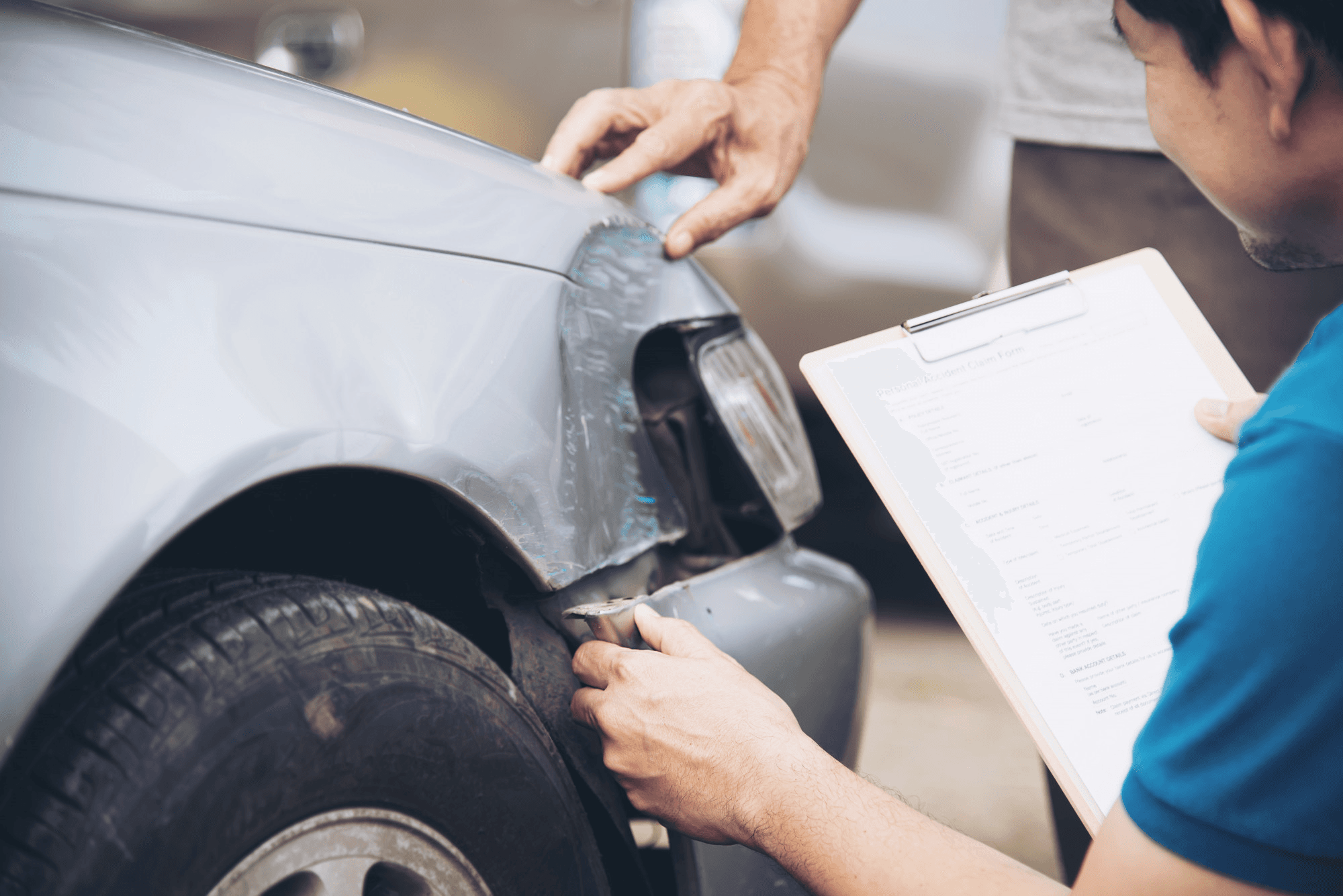
Two neighbours. Same housing society. Both driving four-year-old sedans.
- One pays ₹12,000 a year for car insurance
- The other pays ₹18,500
Neither quite understands why.
Vehicle insurance premiums are not arbitrary, every rupee of the difference can be traced back to specific factors that insurers use to assess risk. Some of these factors are fixed and outside a policyholder's control. Others can be actively managed to bring the premium down. Knowing the difference is useful.
Here is a breakdown of what actually moves the number.
1. The Type of Vehicle
This one is foundational. A hatchback, a mid-size sedan, an SUV, and a luxury car are not treated the same by any insurer and for good reason.
Engine cubic capacity (CC) is one of the primary drivers of third-party premium, which is regulated by IRDAI. The premium bands are fixed:
- Up to 1000cc: lowest TP premium
- 1000cc to 1500cc: moderate
- Above 1500cc: highest TP premium bracket
For own damage cover, the Insured Declared Value (IDV), essentially the current market value of the vehicle, determines the premium directly. A higher IDV means a higher premium. A ₹8 lakh car and a ₹22 lakh car are not going to cost the same to insure, for obvious reasons.
Two-wheelers follow the same CC-based structure for third-party, with their own premium slabs.
2. The Insured Declared Value (IDV)
The IDV deserves its own section because it affects more than just the premium, it determines what the policyholder receives if the vehicle is stolen or declared a total loss.
IDV is calculated as the manufacturer's listed selling price minus depreciation based on the vehicle's age. As a car gets older, its IDV reduces, and so does the own-damage premium.
The temptation many policyholders fall into, particularly at renewal, is to lower the IDV to reduce the premium. This is a false economy. A lower IDV means a lower payout if the car is totalled or stolen. Saving ₹800 on the annual premium in exchange for receiving ₹1.5 lakh less on a total loss claim is not a good trade.
IDV should reflect the closest possible estimate of the vehicle's actual current market value.
3. Vehicle Age
A brand-new car costs more to insure than a five-year-old one, because the IDV is higher and the replacement cost of parts is greater. As the vehicle ages, the IDV and premium both reduce.
However, older vehicles also tend to attract higher own-damage premiums in a different sense, insurers factor in the increased likelihood of breakdowns, wear-related damage, and higher repair complexity for discontinued models where parts are harder to source.
Zero depreciation cover, which eliminates depreciation deductions at claim time, is typically only available for vehicles up to five years old and premiums for this add-on naturally reflect the vehicle's age within that window.
4. Make, Model, and Variant
Two cars in the same price bracket don't necessarily cost the same to insure. A lot depends on:
- Repair costs: some models have expensive proprietary parts, limited authorised service centres, or components that require specialist labour
- Theft frequency: certain models are stolen more often than others, and insurers track this data. High theft frequency = higher premium
- Safety ratings: vehicles with better crash test ratings are increasingly being factored into risk assessments by progressive insurers
- Fuel type: electric vehicles have higher IDVs and more expensive components, particularly battery-related, which affects premiums. CNG-fitted vehicles may require an additional endorsement on the policy
5. Geographical Zone
Where a vehicle is registered and primarily used matters, significantly.
India is broadly divided into two zones for insurance rating purposes:
- Zone A: major metros like Delhi, Mumbai, Chennai, Kolkata, Bengaluru, Hyderabad, Pune, Ahmedabad
- Zone B: all other cities and towns
Zone A premiums are higher. Urban driving involves more traffic, higher accident frequency, greater theft risk, and more expensive repair infrastructure. A car registered in Delhi will cost more to insure than the identical car registered in a Tier-2 city.
For vehicles that are registered in one city but primarily used in another, say, a car registered in a hometown but brought to a metro, the registration location still determines the premium zone.
6. No-Claim Bonus (NCB)
The No-Claim Bonus is a discount on the own-damage premium that builds up with every consecutive claim-free year. It is one of the few factors that genuinely rewards careful driving and works directly in the policyholder's favour.
NCB slabs for private cars:
- After 1 claim-free year: 20% discount
- After 2 years: 25%
- After 3 years: 35%
- After 4 years: 45%
- After 5 years: 50%
On a substantial own-damage premium, a 50% NCB is a meaningful saving. And NCB is portable, it belongs to the policyholder, not the vehicle. When switching insurers or buying a new car, the accumulated NCB can be transferred.
What kills NCB, filing claims, particularly small ones. A ₹4,000 repair claim that costs the policyholder their 35% NCB discount on a ₹15,000 own-damage premium effectively costs more than it saves. Evaluating whether to claim or pay out of pocket is a calculation worth doing each time.
7. Add-Ons Chosen
Every add-on attached to a base policy increases the premium. Common add-ons and what they cost in relative terms:
- Zero depreciation: typically 15-20% over the base own-damage premium
- Engine protection cover: relevant for areas prone to flooding; moderate additional cost
- Return to invoice: pays the original invoice value rather than IDV in case of total loss; higher premium
- Roadside assistance: relatively low cost, practical utility
- NCB protect: allows one claim per year without losing accumulated NCB; higher premium but preserves a valuable discount
- Consumables cover: covers nuts, bolts, engine oil, and other items excluded in standard claims
Each add-on has a cost-benefit equation. Buying all of them without thinking it through inflates the premium. Buying none of them leaves gaps in coverage that show up at claim time.
8. Voluntary Deductible
Every policy has a compulsory deductible, a fixed amount the policyholder bears in every claim, set by IRDAI. Over and above this, policyholders can opt for a voluntary deductible, agreeing to bear an additional amount themselves in exchange for a lower premium.
This makes sense for experienced drivers who rarely claim. A ₹5,000 voluntary deductible can reduce the premium noticeably but if a claim is filed, that ₹5,000 comes out of pocket on top of the compulsory deductible.
The calculation works best for those who are genuinely unlikely to claim frequently and want to reduce their annual outgo.
9. Driver Profile and Usage
Insurers in India are beginning to factor in driver-related variables more than they historically did, particularly in the private car segment.
- Age of the primary driver: younger drivers, statistically higher risk. Some insurers load premiums for drivers under 25
- Occupation: some insurers ask whether the vehicle is used for personal use or business purposes. Commercial usage of a private vehicle is typically excluded or priced differently
- Annual mileage: not yet widely used in India but relevant in usage-based insurance models that are gradually entering the market
Providing accurate information here matters, inaccuracies can lead to claim complications later.
10. Policy Type: Third-Party Only vs. Comprehensive
Third-party-only premiums are fixed by IRDAI and don't vary between insurers. The own-damage component is where insurers compete, and where most of the above factors come into play.
A comprehensive policy will always cost more than a TP-only policy. The question is whether the additional cost is justified which, for any car under five or six years old with meaningful market value, it almost always is.
11. Claims History
A policyholder who has filed multiple claims in previous years is statistically a higher risk. While NCB tracks claim-free years positively, some insurers also factor in claims history when assessing renewal premiums, particularly if the frequency or nature of past claims suggests patterns worth noting.
This is another reason to be thoughtful about which incidents are actually claimed and which are absorbed as out-of-pocket costs.
How to Manage These Factors and Reduce Premium
Some factors, vehicle type, zone of registration, age, cannot be changed. Others can be worked with:
- Protect the NCB: avoid small claims, consider NCB protect add-on for cars where a 40–50% discount has been accumulated
- Choose IDV carefully: neither artificially high nor deflated; closest to actual market value
- Compare at renewal: loyalty to one insurer rarely translates into better pricing; comparing quotes takes minutes and can yield significant savings
- Select add-ons based on actual need: zero depreciation on a new car makes sense; on a seven-year-old car, probably not
- Consider a voluntary deductible: if the driving record is clean and claims are rare, this can reduce annual premium meaningfully
- Install anti-theft devices: ARAI-approved devices can attract a small discount on own-damage premium with some insurers
Frequently Asked Questions
1. Why did my premium increase at renewal even though I didn't make any claims?
Several reasons, the IDV recalculation, a change in IRDAI-regulated third-party premium slabs, or the insurer's own pricing revision. Rising repair and parts costs also feed into own-damage premiums over time. Comparing quotes from other insurers at renewal often reveals better pricing for equivalent coverage.
2. Does the colour of a car affect insurance premium?
No. Colour has no bearing on vehicle insurance premium in India. This is a persistent myth with no basis in how insurers actually calculate risk.
3. Can NCB be transferred when buying a new car?
Yes. NCB belongs to the policyholder, not the vehicle. When the existing car is sold and a new one is purchased, the accumulated NCB can be transferred to the new vehicle's policy, provided the new policy is taken within a reasonable period and the insurer is notified.
4. Does installing a CNG kit affect insurance?
Yes. A factory-fitted CNG kit is usually covered under the standard policy. An aftermarket CNG kit must be declared to the insurer and endorsed on the policy, failure to do so can result in claim rejection. An additional premium is charged for the CNG kit cover.
5. Is a higher voluntary deductible always better for reducing premium?
Not necessarily. A higher voluntary deductible reduces the premium but increases out-of-pocket costs on every claim. It works well for low-claim drivers but can be counterproductive for those in high-traffic urban environments where minor incidents are more frequent.
6. Why is third-party insurance cheaper than comprehensive?
Third-party premiums are fixed by IRDAI and cover only liability to others, no own damage. Comprehensive premiums include own-damage cover, which adds cost but also adds meaningful protection. For any car with significant market value, the difference in premium is justified by the difference in coverage.
7. Does the city where the car is used affect the premium or just where it's registered?
The registration city determines the premium zone. A car registered in a Tier-2 city but used primarily in Delhi will be priced in the Tier-2 zone. However, any claims filed will be processed regardless of where the incident occurred within India.
8. Can two people be listed as drivers on the same policy?
Most private car policies cover any licensed driver using the vehicle with the owner's permission. Named driver policies, where specific drivers are listed, are less common in India. Commercial vehicle policies are stricter about driver declarations.