+91-98111-67809
Car Number Plate Meaning in India: Rules & Registration
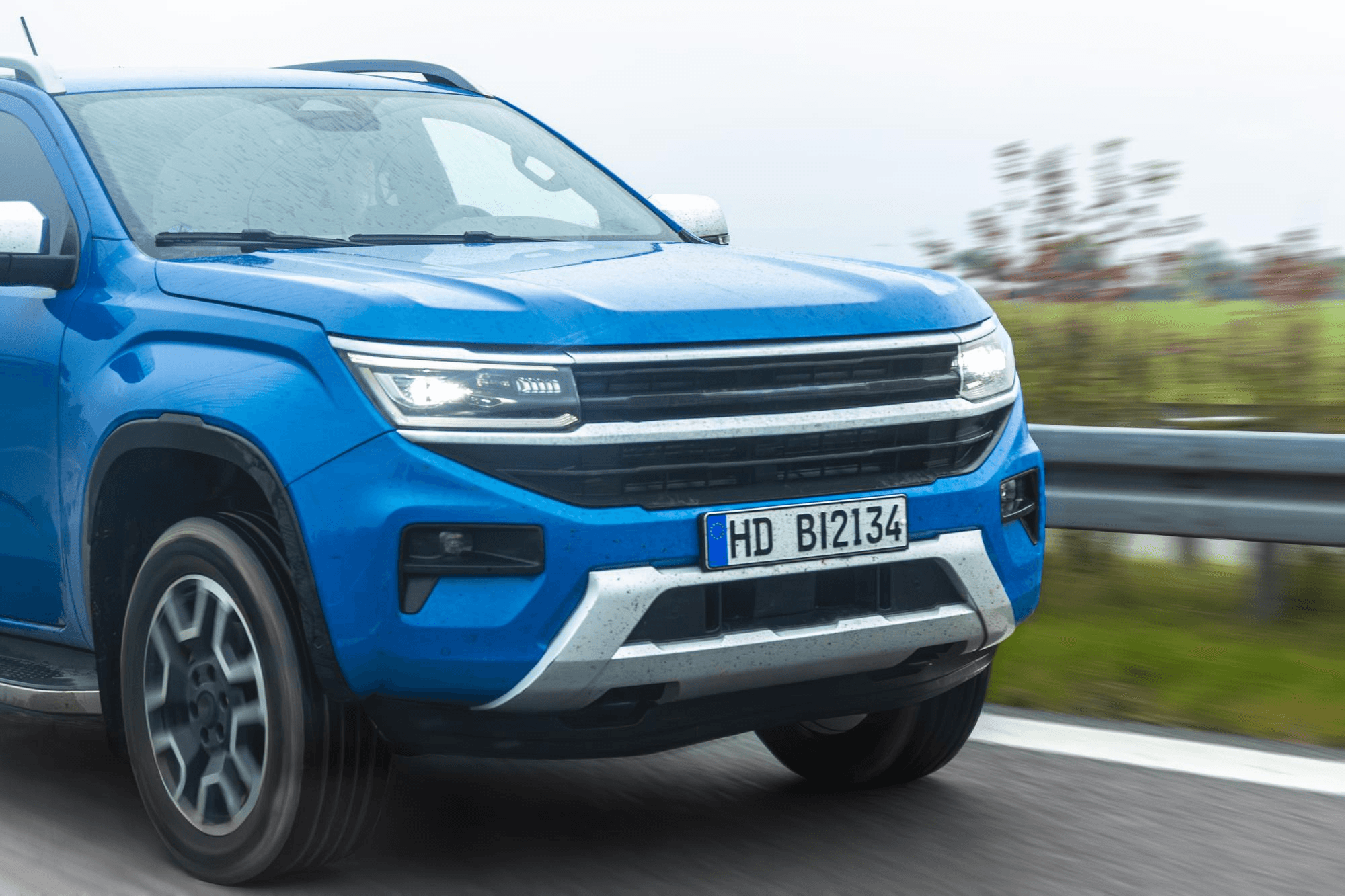
The license plates used in India carry more significance than merely serving as an identity marker for the vehicle. Every detail of the plate, from the color of the number plate to the sequence of letters and numbers displayed on it, is governed by strict guidelines.
Is Car Insurance Mandatory in Noida? Click the link and read our blog to find out!
To those who have often found themselves curious about the meaning behind the alphanumeric sequences and variations in license plate designs, this exhaustive guide explains everything you need to know.
Vehicle Number Plate
The vehicle number plate, also known as a registration plate, is a compulsory ID label attached to each motor vehicle registered in India according to the Motor Vehicles Act of 1988. It is provided by the Regional Transport Office (RTO) of the state or union territory in which the vehicle has been registered.
No motor vehicle can legally run in Indian streets without a license plate that adheres to government regulations.
Vehicle Number Plate Structure in India: Understanding Its Meaning
Number plates on Indian roads tell a story far beyond just identifying a vehicle. From the colour of the plate to the series of letters and numbers stamped on it, every element carries specific legal meaning. For anyone who has ever wondered what those alphanumeric codes mean, or why some plates look entirely different from others, this comprehensive guide breaks it all down.
The Standard Format: XX 00 XX 0000
Each segment of the registration number carries distinct meaning:
- First two letters: State or Union Territory code (e.g., MH for Maharashtra, DL for Delhi, KA for Karnataka)
- Next two digits: RTO district code within that state (e.g., MH 02 refers to the Central Mumbai RTO)
- Next one or two letters: Series code assigned sequentially as vehicles are registered
- Final four digits: Unique vehicle number within that series (0001 to 9999)
Example: MH 02 CQ 4321
- MH = Maharashtra
- 02 = Central Mumbai RTO
- CQ = Registration series
- 4321 = Unique vehicle number
State and Union Territory Codes on Indian Number Plates
Every Indian state and union territory has a unique two-letter prefix:
- AP - Andhra Pradesh
- AR - Arunachal Pradesh
- AS - Assam
- BR - Bihar
- CG - Chhattisgarh
- DL - Delhi
- GA - Goa
- GJ - Gujarat
- HR - Haryana
- HP - Himachal Pradesh
- JH - Jharkhand
- JK - Jammu & Kashmir
- KA - Karnataka
- KL - Kerala
- MP - Madhya Pradesh
- MH - Maharashtra
- MN - Manipur
- ML - Meghalaya
- MZ - Mizoram
- NL - Nagaland
- OD - Odisha
- PB - Punjab
- RJ - Rajasthan
- SK - Sikkim
- TN - Tamil Nadu
- TS - Telangana
- TR - Tripura
- UP - Uttar Pradesh
- UK - Uttarakhand
- WB - West Bengal
Types of Number Plates in India
Number plate color can be considered an integral part of India’s vehicle registration process because different number plates have different colors which are indicative of the nature of ownership and use of the vehicle.
1. White Number Plate (with Black Lettering)
- Used By: Private Vehicle Owner
This is the most commonly seen number plate in India. The white number plate with black lettering denotes that the vehicle belongs to a person or entity using it for his/her/its own private purposes.
- It can be owned by private cars, motorcycles, and private SUVs
- Not applicable for commercial purpose vehicles like those used for the transportation of passengers or goods for hire
- The vehicle may only be driven by the vehicle owner or any authorized driver of the vehicle
2. Yellow Number Plate (with Black Lettering)
Used By: Commercial Purpose Vehicles
The number plate color denoting a commercially-used vehicle is yellow with black lettering.
- These include taxies, cars used for hire (like cabs), autos and buses
- Also applicable to goods vehicles including trucks and lorries
- The driver must necessarily have a commercial driving license
3. Black Number Plate (Yellow Text)
Applicable to: Self-drive rental cars and hotel/resort cars
Black number plates with yellow writing are allocated to self-drive rental cars and cars of hotels and resorts for their guests' transport.
- Most common in Zoomcar, Revv, and other self-drive rental car fleet services
- Used in the transport cars of hospitality businesses
- Vehicle owner - commercial; driver - customer or employee (not a professional driver)
4. Red Number Plate (White Text) - Temporary Number Plates
Applicable to: Recently bought cars
Red number plates with white writing serve as temporary registration plates that are valid for a short period after buying a new vehicle (generally, one month).
- Provided by a dealer who sold the vehicle
- Enables driving the car until the registration is completed by the RTO
- Temporary number starts with "TR" in most cases
5. Green Number Plate (White Text)
Used by: Electric vehicles (EVs)
Implemented by MoRTH in 2019, the green number plates are designated solely for battery-run electric vehicles.
- Private electric vehicles: Green plate with white text
- Commercial electric vehicles: Green plate with yellow text
- With the help of a green plate, traffic departments, toll roads, and parking areas can quickly distinguish EVs to offer them privileges
Owners of electric cars having green plates receive concessions on toll roads and preferential parking in many states.
6. Blue Number Plate (White Text)
Used by: Diplomats from other nations and their vehicles
Blue color with white lettering is reserved for foreign diplomats, embassies, and international agencies like the United Nations.
- The structure of the registration numbers varies, including country code and a unique code
- The vehicles possess some legal immunities and are exempted from specific laws
- Usually found in New Delhi around embassy areas
7. Upward Arrow Number Plate (Defence Vehicles)
Used by: Indian Defence Forces
The number plates on the vehicles of the Indian Army, Navy, Air Force, and other defence establishments have a unique design pattern where there is an upward pointing arrow followed by numbers.
- They are registered under a special defence registration process
- They are exempt from all regular RTO rules and procedures
- The arrow pattern on the plates has its origin in the British army
8. Bharat Series (BH) Number Plates
The BH series plates were introduced in August 2021 and are a revolutionary scheme that benefits people who move between states often:
- Format: YY BH XXXX AA (Example: 21 BH 1234 AB)
- YY = Year of Registration
- BH = Bharat Series Identifier
Targeted at the staff of the central government, defence forces, PSUs, and private
companies having offices in four or more states The BH plate makes it unnecessary to get a vehicle registered again in another state when they shift, relieving them of the hassle.
9. High-Security Registration Plates (HSRP)
From 2019 onwards, HSRP was mandated by the Indian Government to be applied in all newly manufactured vehicles, followed by old vehicles in the future. The main characteristics of HSRP include:
- Chromium-based hologram symbolizing Ashoka Chakra
- Laser engraved 10 digit PIN
- The inscription "IND" in blue color along with an imprint of Indian national flag
- Immobilizing Snap Locks which break when tempered, thus, ensuring no vehicle plate swapping
- Third registration plate put up on windscreen
- Compulsory in all the vehicles manufactured after April 2019 and retrofitting in older vehicles is mandatory
HSRP greatly helps in the prevention of vehicle theft and cloning of vehicle number plates.
10. Fancy & VIP Number Plates in India
Premium vehicle registration plates are special combinations that are auctioned off to the vehicle owners through RTO auction.
Some examples of fancy number plates include:
- Same digits: 0001, 1111, 9999
- Number Palindrome: 1221, 4554
- Matching numbers with letter combination series
How are They Assigned?
- E-Auction of premium numbers via Vahan portal is carried out by RTOs
- Number assigned to highest bidder
- Prices of popular numbers like 0001 run into lakhs in metro cities
Rules Governing Number Plates in India
Legal Requirements Under the Motor Vehicles Act
- All vehicles must display front and rear number plates
- Plates must be clearly visible and not obscured by accessories, dirt, or decorative covers
- Fancy fonts, stylised lettering, or regional language scripts are not permitted, only standard Latin alphanumeric characters in the prescribed font
- Number plates must conform to IS 10925 standards set by the Bureau of Indian Standards (BIS)
- Tinted or coloured covers over number plates are illegal
Common Number Plate Violations and Penalties
- Using a non-standard font or decorative plate: Fine under the Motor Vehicles Act
- Obscured or missing plates: Vehicle can be seized; heavy fine applicable
- Mismatched plates (front and rear showing different numbers): Serious offence with potential for vehicle impoundment
- Fake number plates: Criminal offence under the IPC in addition to MV Act penalties
- Not transitioning to HSRP where mandated: Fine varies by state but is increasingly enforced
How Vehicle Registration Works in India
Step-by-Step Registration Process
- Purchase the vehicle from an authorised dealer
- The dealer applies for temporary registration on the buyer's behalf
- The buyer submits required documents to the RTO (or the dealer does it on their behalf)
- Documents required typically include:
- Form 20 (Application for Registration)
- Sale certificate / Invoice
- Insurance certificate
- PAN card / Address proof
- Passport-size photographs
- Pollution Under Control (PUC) certificate
- Road tax is paid, rates vary by state and vehicle category
- The RTO inspects the vehicle and issues a permanent Registration Certificate (RC)
- The HSRP number plate is affixed at authorised centres
Registration Certificate (RC)
The RC is a critical legal document that contains:
- Registration number
- Owner's name and address
- Vehicle make, model, and colour
- Engine and chassis numbers
- Date of registration and validity
- Hypothecation details (if vehicle is under loan)
NOC and Re-Registration for Interstate Transfer
When a vehicle registered in one state is relocated permanently to another state:
- The owner must obtain a No Objection Certificate (NOC) from the original RTO
- The vehicle must be re-registered with the new state's RTO within 12 months of relocation
- Road tax must be paid in the new state (with adjustment for tax already paid)
- BH series plate holders are exempt from this process, a major administrative convenience
Number Plate Rules for Two-Wheelers
Two-wheelers follow the same format and colour rules as four-wheelers with minor differences:
- Size of plates is smaller but must still be legible and HSRP-compliant
- Many two-wheeler owners previously used non-standard plates; traffic enforcement has tightened significantly
- Electric two-wheelers must display green plates
Frequently Asked Questions (FAQs)
Q1. Can a vehicle owner choose their own number plate number?
A standard number is automatically assigned by the RTO. However, owners can bid for a preferred/fancy number through the e-auction process on the Vahan portal by paying a premium.
Q2. What does it mean when a number plate has "TEMP" written on it?
"TEMP" indicates a temporary registration, typically valid for 30 days from the date of vehicle purchase. It is issued while the permanent registration is being processed by the RTO.
Q3. Is it illegal to put stickers or flags on a number plate?
Yes. Any obstruction of the number plate including stickers, flags, or decorative frames that cover any part of the registration number is a legal violation and subject to a fine.
Q4. Why do some vehicles have the same number but different state codes?
That is entirely normal. The state code prefix makes each registration number unique nationally. MH 01 AB 1234 and DL 01 AB 1234 are two entirely different vehicles registered in different states.
Q5. What is the significance of the number "0001" on a number plate?
0001 is considered the most prestigious number in a new registration series. It is typically auctioned and fetches the highest bids among all premium numbers in that series.
Q6. How can one check vehicle registration details using a number plate?
Vehicle registration details can be checked through:
- The Vahan portal (vahan.parivahan.gov.in)
- The mParivahan app by entering the registration number
- SMS service: Send VAHAN followed by the registration number to 7738299899
Q7. Are there separate rules for number plates on electric vehicles?
Yes. Electric vehicles are mandated to display green number plates, white text for private EVs and yellow text for commercial EVs. This is a nationwide rule applicable to all new electric vehicles since 2019.
Q8. What happens if someone drives with a fake or cloned number plate?
Driving with a fake or cloned number plate is a serious criminal offence. It can result in vehicle seizure, heavy fines, cancellation of registration, and in cases involving crimes, criminal prosecution under the Indian Penal Code.
Q9. Can NRIs or foreign nationals register vehicles in India?
Yes. Foreign nationals residing in India on long-term visas can register vehicles by providing their passport, visa, and local address proof. The vehicle is registered under standard RTO norms.
Q10. What is the validity of a Registration Certificate (RC)?
For private vehicles, the RC is typically valid for 15 years from the date of first registration, after which it must be renewed. For commercial vehicles, the validity period is shorter, generally 5 years, subject to fitness certification.